
How Do Skylights Change Roof Performance in Skaneateles, NY?
Adding a skylight to a roof in Skaneateles, NY increases natural light and can transform indoor spaces, but it also alters how the roof performs. A skylight affects insulation, waterproofing, and the roof’s ability to withstand local weather. For area households considering or maintaining skylights, understanding these changes can help prevent issues and keep homes comfortable.
Skylights create intentional openings—a necessary risk—as the local climate brings heavy snow, ice, and rainfall. Even a well-installed unit needs ongoing attention to ensure the benefits outweigh potential drawbacks.
Do Skylights Cause More Leaks Than Regular Roof Surfaces?
Skylights are more likely than simple roof shingles to be points of water entry, especially if installed or maintained poorly. The risk comes from the need to cut a hole in the roof and integrate glass and frame with shingles or other roofing materials. In Skaneateles, harsh winters, freeze-thaw cycles, and spring rains can highlight any weaknesses in these seams or seals.
Leaks are usually the result of:
- Failing sealant or flashing (the metal or plastic barriers that direct water away from the opening)
- Clogged or misaligned gutters leading to ponding around the skylight
- Ice dams on the roof that force melting snow back under shingles near the skylight
Routine inspection before and after winter is wise, though a good skylight, flashed and sealed correctly, should not leak under normal conditions in the community.
How Do Skylights Affect Roof Lifespan?
Cutting for a skylight disrupts the uniformity of a roof, creating areas more susceptible to wear or damage. If installed correctly and promptly maintained, most modern skylights last 10-20 years—comparable to many roofing materials used in Skaneateles homes. Problems arise when flashing becomes dislodged, or if shifting roof materials widen seams.
Aging skylights themselves may develop condensation between glass panes or become less energy-efficient, no matter the condition of the surrounding roof. Homeowners sometimes notice moss, debris, or even insects lodging in aging skylight frames, which can reduce the overall lifespan of the immediate roof area.
Are Skylights Bad for Energy Efficiency in the Local Climate?
A well-made skylight can either help or hurt a home’s warmth depending on insulation, glazing, and placement. In Skaneateles, with its cold winters and moderate summers, skylights that lack proper insulation or use single-pane glass can allow heat to escape more rapidly than other parts of the roof.
Common effects include:
- Drafts near older skylights during cold months
- Higher heating bills if seams are loose or panes are inefficient
- Potential for unwanted solar heat gain in summer, making some rooms warmer than intended
Modern skylights using double glazing, insulated frames, and strategic positioning can still promote year-round daylight without a significant increase in heating costs.
How Does Roof Maintenance Change with a Skylight Added?
Roofs with skylights need a slightly different maintenance routine. Local homeowners should:
- Visually inspect around the skylight for debris, especially after storms or heavy leaf fall
- Check for pooling water or unusual dampness near the window frame inside the home
- Watch for condensation between panes (a sign of seal failure)
- Gently remove snow build-up from skylight perimeters, if accessible, to prevent ice dams
Annual reviews are especially important in areas exposed to wind-driven rain or nearby trees.
What Should Skaneateles Residents Know About Skylight Placement and Size?
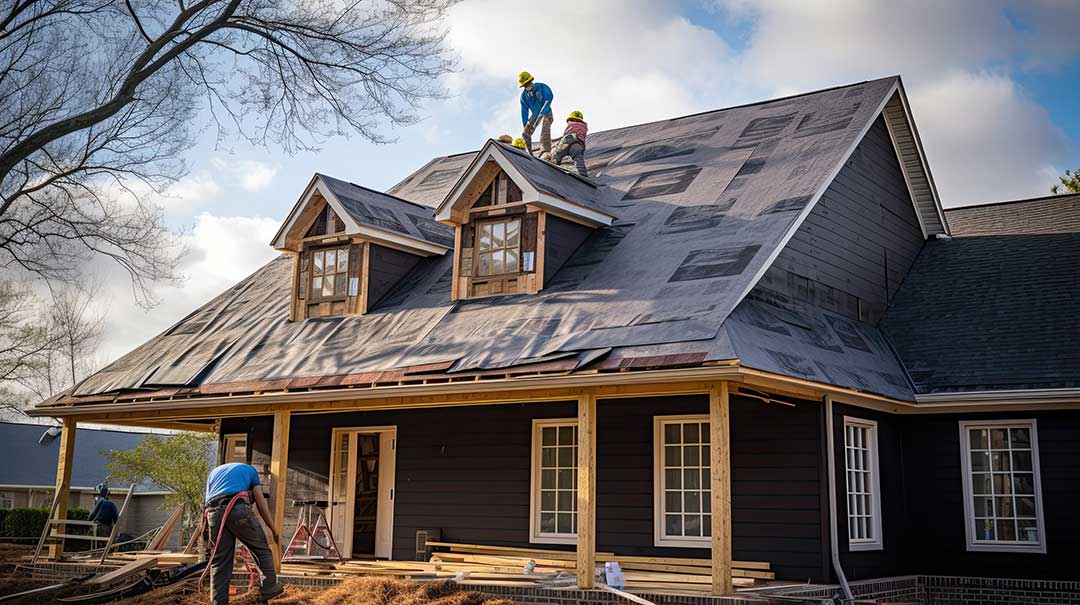
Choosing the right spot for a skylight—and the correct size—has lasting impacts. On steeply pitched roofs, common in Skaneateles, skylights near the top shed water more easily but may be exposed to more wind. Those lower down often face more snow accumulation and debris.
Practical tips for the community include:
- Avoid placing skylights directly below large trees, where falling branches or ice may pose a hazard
- Consider solar orientation—south-facing skylights admit the most light (and heat), which may be good or bad depending on room use
- Steep roofs naturally shed water and snow, reducing some leak risks compared to flat surfaces
Can Skylights Handle Heavy Snow Loads Locally?
Most modern skylights designed for upstate New York are rated for significant snow loads, but all glass surfaces require care. Hinge, flashing, and gutter joints may shift slightly when supporting heavy weight. If built to regional codes and properly supported during installation, a skylight should not be a weak point in winter.
Still, after major storms, residents should check that snow isn't forming a dam above or around the skylight and that no glass is cracked or frame is bent under pressure.
What About Older Skylights on Older Roofs—Are There Extra Risks?
Older homes in Skaneateles often feature skylights added decades ago, sometimes with previous-generation materials. Issues that can arise include:
- Brittle or outdated flashing materials, which are prone to cracking in freeze-thaw cycles
- Broken seals leading to fogging or leaks
- Structures that have shifted or settled, changing the fit of the skylight
Upgrading flashing, resealing, or replacing very old skylights can help adapt older roofs to the current local climate’s demands.
Summary: Balancing Natural Light and Roof Performance
Local residents appreciate the daylight and views a skylight brings, but every skylight alters roof performance. Focusing on insulation, waterproofing, and regular checks—especially as the seasons change—helps protect both the home and the experience of having extra daylight.
