

What Is Roof Underlayment and Why Does It Matter?
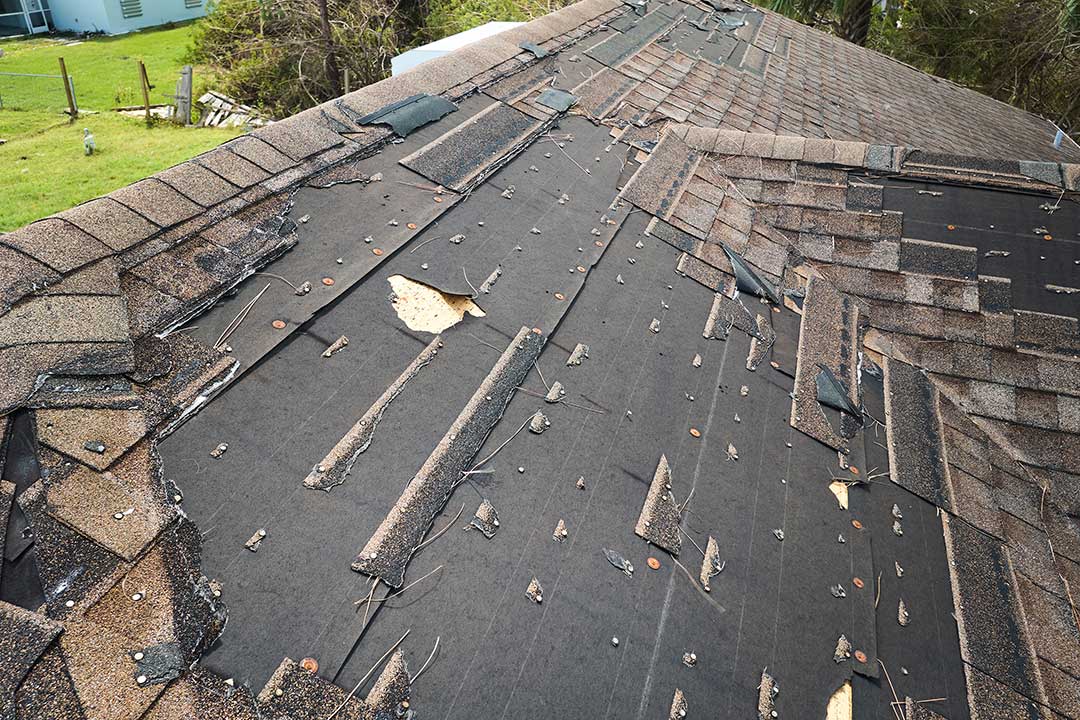
Roof underlayment is a protective layer installed between the roof deck (the wooden boards that form the roof structure) and the roof covering (such as shingles or metal panels). It acts as a secondary barrier against water, wind, and other weather-related threats. For homes throughout Skaneateles, where seasonal storms and winter weather are routine, reliable underlayment is an essential part of every roofing system.
Without this hidden layer, even minor leaks or wind-driven rain could easily reach the wood structure below, leading to rot or mold. New roofs, roof repairs, and even simple patch jobs usually involve inspecting—or replacing—sections of underlayment to keep moisture out.
What Types of Roof Underlayment Are Used Locally?
Most homes in Skaneateles use one of three main types of underlayment, chosen for their ability to handle changing weather, potential ice dams near the lake, and the variety of roofing materials found in the community:
- Asphalt-Saturated Felt: Sometimes called "felt paper" or "tar paper," this traditional choice offers basic water resistance and is often seen beneath asphalt shingles. It’s affordable, but less durable under extreme or prolonged moisture.
- Synthetic Underlayment: Made from engineered polymers, this material is lighter, stronger, and more resistant to tearing than felt. It deals better with long-term moisture and is common in recent residential roof installations.
- Self-Adhered (Peel-and-Stick) Membranes: These rubberized sheets create an especially waterproof seal. They're often used along vulnerable edges, around chimneys, or in valleys where water collects—critical areas for protecting homes during ice buildup or heavy rain.
The kind of underlayment that’s best suited often depends not just on the roof type, but also on local factors like expected snow loads and ice damming, which are common during Skaneateles winters.
What Problems Does Underlayment Prevent?
Underlayment’s main job is to stop water infiltration, but it accounts for several threats:
- Wind-Driven Rain: Shingles or metal roofing may temporarily lift during strong winds, allowing rain to sneak underneath. Underlayment blocks this pathway, protecting the roof deck.
- Snow and Ice Melting: Especially in neighborhoods near the lake, snow can melt unevenly and refreeze, pushing water back under shingles. Underlayment helps prevent the moisture from rotting the wood below.
- Condensation: Temperature swings inside attics can lead to interior moisture buildup. Quality underlayment reduces the risk of dampness transferring to the roof deck.
- Temporary Exposure: During repairs or new installations, underlayment alone sometimes shields a roof for days or weeks before the final covering goes on.
Skaneateles residents often notice that problems like attic leaks, ceiling stains, or musty smells happen more often when underlayment fails or was skipped during past roof projects.
How Does Climate in Skaneateles Affect Underlayment Choices?
Local climate puts special demands on roof systems. Heavy snow loads, lake-effect storms, and frequent cycles of freezing and thawing can stress both visible and hidden roofing layers.
- Cold, Wet Winters: Ice damming is a regular concern, particularly on older homes with complex roofs. Building codes often require ice and water barrier underlayment along roof edges to reduce damage risk.
- High Winds: Sudden gusts off the lake can push wind-driven rain under shingles and tiles. A durable underlayment, properly installed to overlap and seal seams, serves as a crucial backup.
- Seasonal Shifts: Temperature swings in spring and fall cause roofing materials to expand and contract, which can strain underlayment. Resilient choices, like synthetics or self-adhered membranes, may last longer under these conditions.
Some area homes, especially historic properties, may also need underlayment that works well with wood shakes or slate tiles. In these cases, following material compatibility and local code requirements is essential for longevity and safety.
Is Underlayment Always Required by Local Codes?
Most residential roofing projects within Skaneateles fall under New York State building codes, which mandate some form of underlayment for sloped roofs as a moisture barrier. For example, areas vulnerable to ice damming often require at least two layers (or a specific type) at eaves and valleys, followed by a wider layer of traditional or synthetic underlayment covering the main roof.
During re-roofing or repairs, hidden layers must be checked for damage and replaced as needed to meet these regulations. Skipping this step can lead to denied insurance claims or failed inspections, putting homeowners at risk for costly repairs down the road.
What Are Signs of Underlayment Trouble?
Since underlayment is hidden, homeowners rarely see it unless shingles or tiles are removed. Clues that it may be compromised include:
- Unexplained water stains on ceilings after storms or snow melts
- Mold or mildew smells in attic spaces
- Shingles, tiles, or metal panels that appear loose or warped
- Icicles forming along roof edges in winter, indicating possible ice dams and backup
- Historic roofs with repeated leaks despite surface repairs
Maintaining attic ventilation and checking for blocked gutters can help prevent problems that even the best underlayment can’t fully overcome.
How Long Does Underlayment Typically Last?
The lifespan depends on material and exposure. Asphalt felt used under traditional shingles might last 10–20 years, while synthetic underlayment can easily exceed two decades. Self-adhered membranes are highly durable, especially when sheltered below a well-maintained roof, but can fail if installed on damp surfaces or poorly ventilated decks.
Local roofs, especially those exposed to lakefront winds, may need more frequent checks—even quality underlayment won't protect against storm damage or improper repairs.
What Should Area Residents Know Before Roof Work?
It’s useful to ask about the type, thickness, and placement of underlayment whenever planning roof maintenance or replacements. Each home’s structure, attic insulation, and exposure to snow or shade can affect the ideal setup. If in doubt, reviewing building code requirements, particularly for homes near the lake or on older structures, avoids surprises during inspection.
Taking underlayment seriously is a practical way for community residents to preserve their home’s comfort, value, and safety through all four seasons.
