
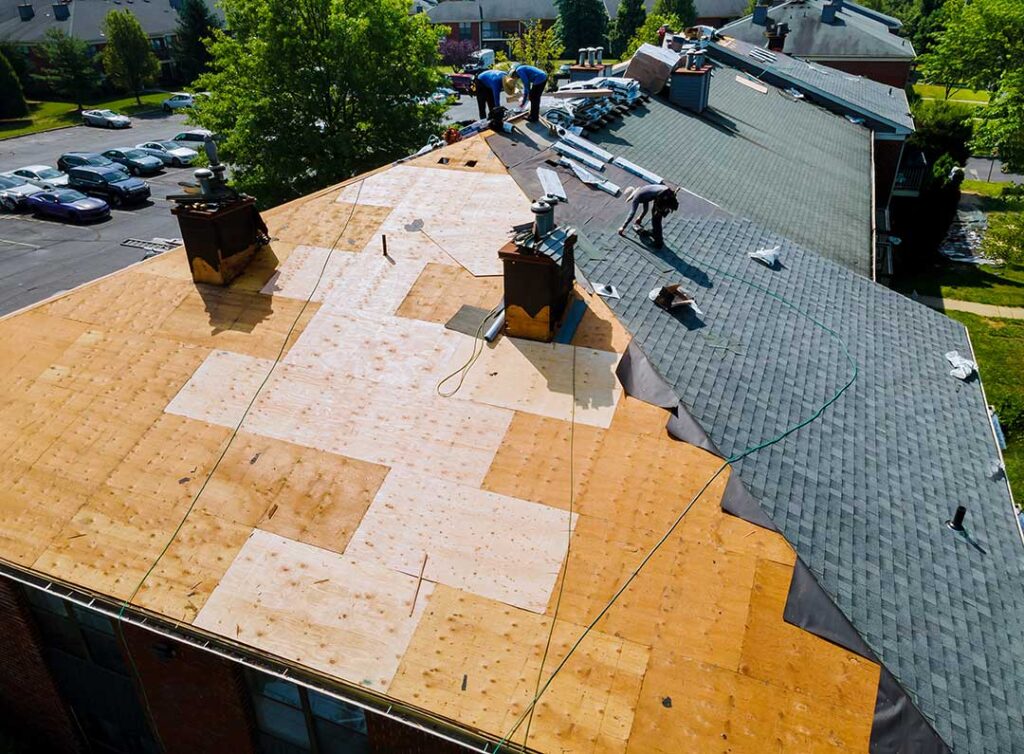
What should be documented first after roof damage?
After a storm or other roof-related loss, document the condition of the property before moving or discarding damaged materials. Take photographs and video from safe locations, write down when the damage was discovered, and preserve receipts for necessary temporary repairs.
In Skaneateles, NY, changing weather can create several types of roof problems, including wind-lifted shingles, fallen branches, ice-related damage, heavy snow loads, and water entering around roof penetrations. The cause may not be obvious at first, so a complete record should show both the visible damage and the surrounding conditions.
Do not climb onto a wet, icy, steep, or visibly damaged roof to take pictures. A roof can be unsafe even when the damage appears minor.
Which photos and videos are most useful?
A strong claim record includes wide views, medium-distance photos, and close-ups. Each type serves a different purpose.
Start with wide exterior images showing:
- The entire roof slope, if visible from the ground
- The side of the house where the damage occurred
- Nearby trees, branches, utility lines, fences, or other objects that may have caused damage
- Gutters, downspouts, roof edges, flashing, vents, chimneys, and skylights
- Any visible debris around the home
Next, take closer photos of individual problems, such as:
- Missing, lifted, cracked, or displaced shingles
- Exposed underlayment, roof decking, or fasteners
- Bent flashing or damaged vents
- Dents from hail or falling objects
- Broken gutters or downspouts
- Water stains, bubbling paint, damp insulation, or damaged ceilings indoors
Video can help show the location and extent of a problem. Slowly pan across the affected area and narrate what is visible, including the room, roof slope, or exterior wall involved. Avoid guessing about the cause. Describing what can be seen is generally more useful than stating that damage is definitely covered.
Photograph a ruler, tape measure, or familiar object beside larger damage when safe and practical. Include enough surrounding detail to show where the close-up was taken.
How should the timing and weather be recorded?
Write down the date and approximate time the damage occurred or was first noticed. Include what happened before discovery, such as strong wind, hail, heavy snow, falling branches, or a sudden leak.
A simple event log might include:
- Date and time severe weather was observed
- How long the weather lasted
- When the roof problem was discovered
- Rooms or areas affected
- Whether water was actively entering the home
- Actions taken to prevent additional damage
- Dates of later inspections, repairs, or new discoveries
Keep weather observations factual. For example, “water began dripping from the ceiling during overnight rain” is more useful than “the storm destroyed the roof,” unless the full roof condition has been professionally established.
In a lake-influenced, snowy climate, damage may become more visible days after a storm. Meltwater can reveal openings, and freeze-thaw cycles can worsen cracks or displaced materials. Continue documenting changes rather than assuming every new symptom came from the original event.
What should be done before cleanup?
Preventing additional damage is usually reasonable, but permanent repairs should not erase evidence before the insurer has had a fair opportunity to inspect it.
Temporary steps may include placing containers under active leaks, covering an opening with a properly secured tarp when safe, moving furniture away from water, and drying wet materials to reduce further damage. Keep photographs of the condition before and after these steps.
Save damaged materials when practical. If a fallen branch broke a roof component, photograph the branch in place before removal if it is safe to do so. If wet drywall or insulation must be removed to protect the home, photograph it first and keep a small sample when feasible.
Do not make unsafe emergency repairs. If electrical wiring, structural framing, unstable trees, or major roof sections are involved, staying clear of the area is more important than obtaining additional photographs.
What records should accompany the photos?
Photos alone may not show the full cost or extent of a loss. Keep a folder containing:
- The insurance policy and declarations page
- The claim number and insurer contact information
- A written description of the event
- Inspection reports and repair proposals
- Receipts for tarps, water removal, materials, storage, or other necessary expenses
- Invoices for temporary work
- A list of damaged personal property
- Receipts, photographs, manuals, or other proof of ownership for affected belongings
- Notes from every conversation with the insurer, including dates, names, and key instructions
For damaged belongings, record the item, approximate age, original price if known, current condition, and location in the home. Photograph items before disposal whenever possible. A home inventory created before a loss is especially helpful, but a reconstruction made afterward can still provide useful evidence.
Store digital copies in more than one location. Emailing files to a personal account or using secure cloud storage can help protect records if the home itself is inaccessible.
Should a roof inspection be arranged?
A roof inspection can help identify concealed damage and distinguish storm-related problems from older wear. The inspection should describe observed conditions, affected areas, measurements when available, and recommended temporary or permanent repairs.
An inspection is not the same as an insurance coverage decision. The policy determines what may be covered, subject to exclusions, limitations, deductibles, maintenance provisions, and the specific cause of loss. A report should therefore describe physical conditions without promising a claim outcome.
Ask for written copies of inspection findings, photographs, repair recommendations, and invoices. Keep separate records for emergency stabilization and later improvements.
When should the insurance company be notified?
Notify the insurer as soon as reasonably possible under the policy’s instructions, even if the full extent of damage is not yet known. Initial notice can explain that roof damage or possible interior damage has been discovered and that additional information will follow.
Ask what forms, photographs, receipts, inventories, and proof-of-loss documents are required. Keep communication organized and follow up important phone conversations in writing with a short summary of what was discussed.
Do not assume that a claim must wait until every repair price is known. Early reporting allows the insurer to explain its inspection process and identify documents needed to evaluate the loss.
What common documentation mistakes should be avoided?
Several mistakes can make a roof damage record less useful:
- Photographing only the damaged shingle and not the entire roof area
- Cleaning up debris before documenting its location
- Throwing away damaged belongings without photographs
- Describing an assumed cause as a confirmed fact
- Failing to record temporary repair expenses
- Allowing new leaks or interior damage to go undocumented
- Relying on text messages or memory instead of keeping a dated claim log
- Making permanent repairs before understanding the insurer’s inspection requirements
A clear record does not guarantee coverage or payment. It does, however, give the insurer, homeowner, and any inspectors a more complete account of what happened, what was damaged, and what steps were taken to protect the property.
