

What Are the Most Significant Recent Advances in Roofing Materials?
Recent innovations in roofing materials can help area households address long-standing concerns like weather resilience, energy conservation, and environmental impact. Modern shingles, metal panels, synthetic products, and coatings now focus on extending roof life, improving efficiency, and responding to regional climate conditions.
Some notable advancements include:
- Architectural shingles engineered for greater durability and wind resistance, which is useful for homes near the lake or exposed to winter storms.
- Synthetic roofing, such as polymer or composite shingles that mimic wood or slate but offer lighter weight and improved resistance to moss, rot, and cracking.
- Cool roofing materials designed to reflect more sunlight, reducing heat absorption and making attic spaces less prone to overheating during the summer.
- Advanced waterproofing membranes that add extra protection in high-moisture conditions.
For the Skaneateles community, these technologies make it easier to maintain roofs through strong seasonal swings and heavy snowfall. Material choices now play a larger role in long-term comfort and energy efficiency.
How Has Roofing Changed to Handle Severe Weather and Winter?
Contemporary roofing systems have been engineered to perform better under the specific stresses of harsh winters, frequent freeze-thaw cycles, and high wind events. Innovations target common local concerns like ice dams, water infiltration, and wind damage.
Key changes include:
- Ice and water shield membranes under shingles, especially in valleys and edges, limit leaks from ice damming.
- Improved ventilation systems help prevent attic condensation and ice buildup, protecting both roof structure and insulation.
- Interlocking shingles or panels enhance anchoring and reduce the risk of wind uplift, which is critical during stormy, gusty periods common in the region.
These upgrades mean roofs can last longer with less risk of seasonal damage—a significant benefit for Skaneateles's older homes and lakeside properties.
Can Smart Technology Be Used on a Rooftop?
Smart technology is steadily making its way into residential roofing, providing new ways for homeowners to monitor and maintain their roof’s condition.
Examples of smart roofing features include:
- Solar-integrated shingles, which blend energy generation directly into roof surfaces rather than relying on rack-mounted panels.
- Sensor systems that detect moisture, leaks, or even roof movement, giving early warning of problems before they lead to big repairs.
- Automated snow melting cables installed discretely along vulnerable eaves to prevent ice dams.
Residents may be surprised at the range of digital tools now available. These options can offer greater control and peace of mind, especially in a climate where rapid weather changes are common.
Are There Roofing Options That Help Save on Energy Bills?
Yes, new roofing products can significantly impact home energy use by moderating attic temperatures and improving insulation.
Some of the most effective upgrades are:
- Highly reflective roofing materials—often labeled "cool roofs"—can help reduce air conditioning costs in unseasonably warm months.
- Insulated roofing panels that create an extra thermal barrier, keeping winter heat in and summer heat out.
- Innovative ventilation systems that cycle hot air out of the attic quickly, preventing heat buildup that stresses cooling systems.
- Green roofing assemblies, where appropriate, provide a layer of vegetation that insulates and manages stormwater.
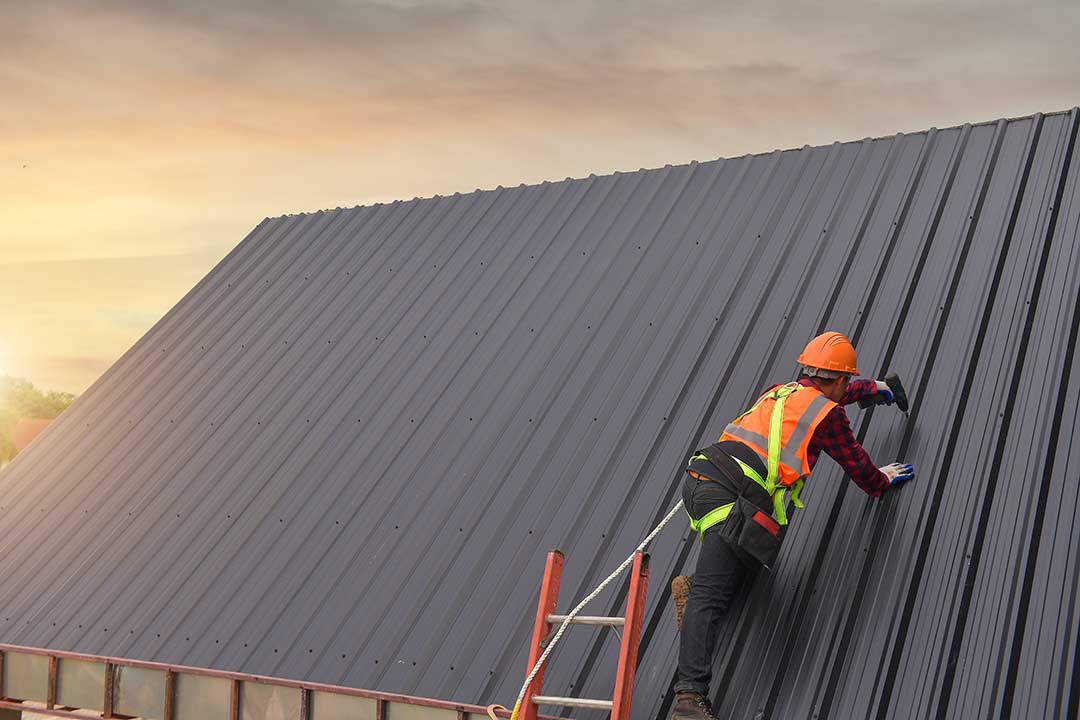
In Skaneateles, homes with attics or upper floors vulnerable to temperature swings can benefit most from these solutions, especially as energy costs rise.
What Should Be Considered Before Adopting New Roofing Technologies?
Before choosing advanced roofing materials or systems, it’s wise to weigh a few key local factors. Not every innovation is right for every home, and some upgrades interact with existing structures differently.
Considerations include:
- Age and design of the home—historic or steeply pitched roofs may not support certain materials.
- Neighborhood codes or homeowners association guidelines, which can affect style and color options.
- Roof load capacity for new systems like solar shingles, snow retention devices, or green roofing.
- Warranty terms and expected lifespan, especially for products still new to the market.
- Maintenance needs—smarter roofs sometimes require ongoing system checks or monitoring.
As with any home improvement, balance the benefits of new tech with cost, practicality, and local climate challenges.
What Are Common Misconceptions About Roofing Innovations?
Many residents assume newer materials or smart systems are cost-prohibitive or only for recent builds. In fact, many innovations are designed to work in retrofits and can be cost-effective in the long run due to lower maintenance and energy savings.
Other common misunderstandings include:
- Believing solar technology is always obtrusive or visually unappealing, when modern solar shingles and integrated panels blend in well.
- Assuming new synthetic or composite shingles will not look authentic; many are patterned carefully to resemble wood, slate, or shake.
- Expecting all new roof technologies to be "set and forget"—some smart sensors or integrated systems require periodic upkeep.
- Thinking that only very old roofs benefit from new materials, when even relatively recent roofs can fail to meet current resilience standards.
Accurate, up-to-date advice gives homeowners more ways to protect their property and enjoy lasting benefits through the seasons.
