

What should a seasonal roof maintenance routine include?
A reliable roof maintenance routine combines visual inspections, drainage checks, attic observations, and timely attention to small changes. In Skaneateles, NY, roofs must handle snowy winters, freeze-thaw cycles, spring rain, summer heat, falling leaves, and occasional wind-driven storms.
Most routine checks can be completed from the ground or from an accessible attic. Walking on a roof is not necessary for ordinary maintenance and can damage shingles or create a fall hazard.
A useful seasonal schedule looks like this:
- Early spring: Check for winter damage, ice-related problems, and blocked drainage.
- Early summer: Look for moisture, algae, loose components, and ventilation concerns.
- Early fall: Clear debris, inspect flashing, and prepare drainage systems for leaves and snow.
- Early winter: Confirm that the attic is dry and that gutters and downspouts can manage melting snow.
The goal is not to make the roof look new. The goal is to identify conditions that could allow water to enter the roof system or shorten its service life.
What should be checked after winter?
Spring is the first opportunity to look for damage caused by snow, ice, wind, and repeated freezing and thawing. Begin with a ground-level inspection around the entire house.
Look for:
- Shingles that are missing, lifted, curled, cracked, or displaced
- Dark areas or exposed underlayment
- Metal flashing that appears bent or separated
- Sagging along the roofline
- Granules collecting heavily in gutters or at downspout outlets
- Damaged chimney caps, vent covers, or other roof penetrations
- Tree limbs or debris resting on the roof
Inside the attic, check the underside of the roof sheathing for damp spots, water staining, mold-like growth, or rusty fasteners. A stain does not always indicate an active leak; old moisture can leave discoloration long after the roof has dried. However, a new or expanding mark deserves prompt attention.
Spring is also a good time to inspect ceilings and upper-floor walls. Peeling paint, yellow-brown stains, soft drywall, or a musty odor can indicate moisture movement from the roof or from poorly ventilated attic areas.
How should gutters and downspouts be maintained?
Gutters and downspouts should move water away from the roof, exterior walls, foundation, and entryways. Cleaning them in spring and again in fall is often appropriate, particularly where mature trees surround a home.
Remove leaves, twigs, roof granules, and compacted sediment. Then check whether:
- Gutters are pulling away from the fascia
- Seams are leaking
- Water flows toward rather than away from downspouts
- Downspouts are blocked
- Extensions discharge too close to the foundation
- Water spills over the front edge during rain
A simple test with a hose can reveal slow drainage, but use caution around ladders and electrical equipment. Gutters may appear clean while an underground drain or lower downspout section remains blocked.
During winter, avoid standing beneath large roof-edge ice formations. Ice can fall without warning, and heavy buildup may damage gutters or create unsafe conditions near entrances and walkways.
What should be inspected in summer?
Summer inspections focus on moisture, ventilation, and gradual deterioration. Warm weather makes it easier to observe the roof and attic, but high temperatures can make attic spaces hazardous.
From the ground, check for excessive shingle granule loss, exposed fasteners, damaged vent boots, and flashing gaps around chimneys, skylights, and other roof openings. Small openings around penetrations are common sources of leaks because they are exposed to wind-driven rain and repeated temperature changes.
In the attic, look for:
- Excessive heat
- Condensation on nails or roof sheathing
- Damp insulation
- Musty odors
- Insects entering through damaged areas
- Light visible through places that should be sealed
Some daylight may be visible through designed ventilation openings, but daylight around a chimney, vent, or roof joint can indicate a problem.
Poor attic ventilation is sometimes confused with inadequate insulation. They are related but different conditions. Insulation slows heat transfer, while ventilation helps manage moisture and temperature. Adding insulation without preserving intended airflow can block soffit ventilation and contribute to condensation.
Why is early fall the most important preparation period?
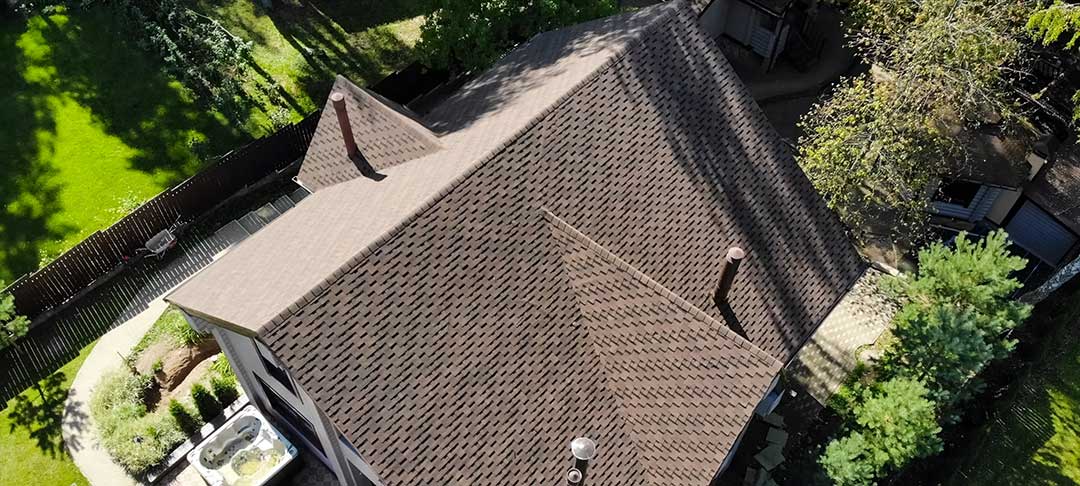
Early fall is a practical time to prepare for snow because the roof is still accessible and leaves have not always accumulated deeply. Clear debris from valleys, roof edges, gutters, and low-slope sections where water may collect.
Inspect areas that are easy to overlook:
- Flashing around chimneys and wall intersections
- Rubber or metal seals around plumbing vents
- Skylight edges
- Roof valleys
- Areas beneath nearby tree branches
- Shed, porch, and garage roofs
- Gutter hangers and fascia boards
Do not pressure-wash shingles or scrape them aggressively. These actions can remove protective granules and damage the surface. Moss, algae, and leaf buildup should be addressed gently and according to the roofing material’s care requirements.
Tree branches that touch or closely overhang the roof can rub against shingles during wind and deposit leaves in valleys and gutters. Pruning decisions should account for fall, climbing, and electrical hazards. Branch removal near utility lines requires appropriate caution and, when necessary, qualified assistance.
How can homeowners prepare for snow and ice?
No maintenance routine can guarantee that ice dams will not form, but several conditions can increase the risk. Warm air escaping into the attic can melt snow on the upper roof. The water may then refreeze near colder roof edges, creating an ice dam.
Before winter, check that:
- Attic insulation is not displaced
- Bathroom and kitchen exhaust fans vent outdoors rather than into the attic
- Attic ventilation paths are not blocked
- Recessed lights and other penetrations are properly sealed
- Gutters and downspouts are clear
- Snow-removal tools will not scrape or puncture the roof surface
Do not use salt, open flames, or sharp tools to remove roof ice. These methods can damage roofing materials, gutters, landscaping, and people nearby. If ice is causing water to enter the home or is creating a serious falling hazard, the situation may require specialized assistance.
Snow itself is not automatically a problem. The concern is excessive accumulation, uneven loading, drifting, structural weakness, or water intrusion. Roof snow should not be removed by climbing onto the roof without proper equipment and training.
When does a small roof issue need prompt attention?
Some conditions should not wait for the next seasonal inspection. Act promptly when there is active dripping, rapidly spreading ceiling damage, a sagging roof surface, exposed roof decking, a large missing section of shingles, or flashing that has separated around a major roof opening.
After a severe windstorm, inspect the ground for shingles, metal pieces, or fragments of roof material. Do not assume the roof is undamaged simply because the interior is dry; some leaks appear only during wind-driven rain or after several freeze-thaw cycles.
Temporary measures such as placing a container beneath a leak can protect interior surfaces, but they do not correct the source. Avoid making roof repairs during rain, ice, high winds, or other unsafe conditions.
What records are useful for ongoing roof care?
A simple maintenance record can make seasonal changes easier to identify. Note the inspection date, weather conditions, visible concerns, attic observations, gutter cleaning, and any repairs or replacements.
Photographs taken from the same ground locations each season can help reveal gradual shingle movement, sagging, staining, or changes near roof penetrations. Keep records of the roof’s installation date and material if known, but do not rely on age alone to judge condition. A well-maintained roof may perform differently from one exposed to persistent shade, overhanging branches, poor ventilation, or repeated drainage problems.
Regular observation is especially useful in older homes and properties with additions, porches, dormers, or several roof slopes. These features create more joints and drainage transitions that need attention throughout the year.
