
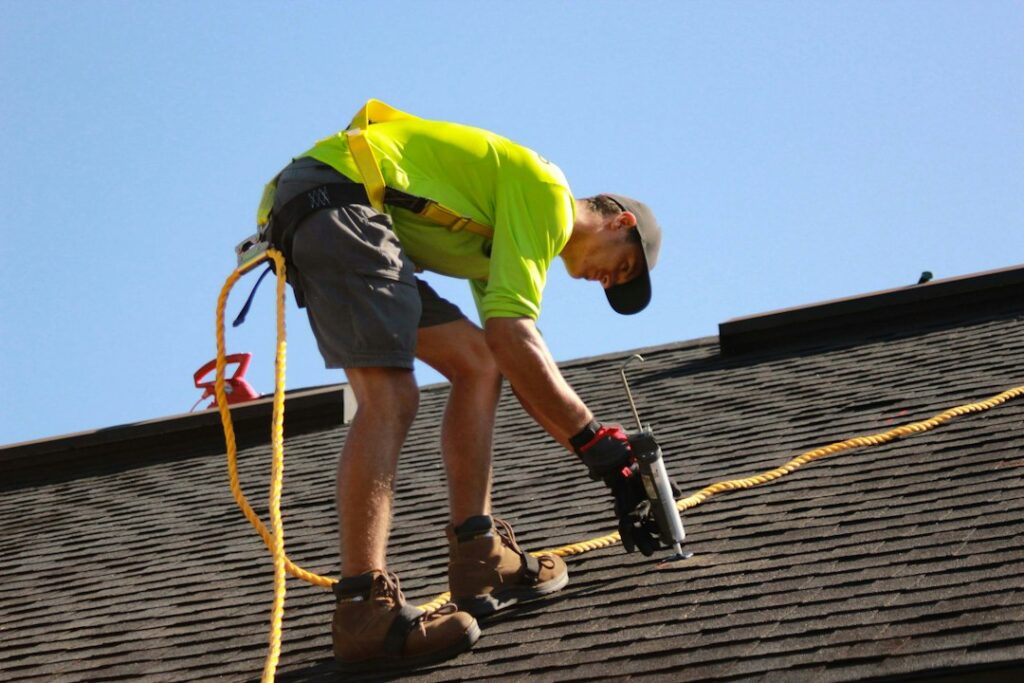
Roof inspections are easiest to plan when they are tied to seasonal changes, severe weather, and the age or condition of the roofing system. For most homes, an inspection every one to two years is reasonable, with additional checks after significant storms or whenever warning signs appear.
How often should a roof be inspected?
For a typical home in Skaneateles, NY, a roof inspection at least once every two years provides a useful baseline. Annual inspections may be more appropriate for older roofs, homes surrounded by mature trees, or properties that have experienced repeated leaks, ice buildup, or wind exposure.
A roof inspection is different from a quick look from the ground. A thorough review considers:
- Shingles, metal panels, slate, or other roof coverings
- Flashing around chimneys, vents, skylights, and roof-to-wall intersections
- Gutters, downspouts, and drainage paths
- Valleys where water and debris collect
- Attic ventilation and visible moisture
- Signs of sagging, rot, or movement
- The condition of sealants, pipe boots, and exposed fasteners
The goal is not simply to find damage. It is to identify small problems before they allow water into the roof deck, insulation, ceilings, or wall cavities.
Is spring the best time for a roof inspection?
Spring is one of the most useful times to inspect a roof because winter can expose weak areas that were not obvious during warmer months. Snow, ice, freeze-thaw cycles, wind, and falling branches can loosen roofing materials or damage flashing.
A spring inspection can reveal:
- Missing, cracked, or lifted shingles
- Granules collecting in gutters or near downspouts
- Ice-dam-related water entry
- Staining on attic sheathing or insulation
- Damaged chimney flashing
- Gutter separation or poor drainage
- Tree limbs rubbing against the roof
In this region, winter weather may alternate between snow, freezing temperatures, rain, and thawing conditions. That repeated expansion and contraction can stress flashing and roof edges even when no dramatic storm has occurred.
Spring is also a practical time to check whether snow and ice caused hidden damage. A ceiling may not show a stain until the next heavy rain, so the absence of an active leak does not always mean the roof is unaffected.
Should a roof be inspected before winter?
Yes. A late-summer or early-fall inspection can help identify conditions that may become more serious during the cold season. The best timing is generally before consistent freezing weather, when the roof and drainage system can still be evaluated under safer and more workable conditions.
Before winter, attention should be given to:
- Loose or deteriorated shingles
- Open seams or exposed fasteners
- Blocked gutters and downspouts
- Weak areas around valleys and eaves
- Damaged flashing
- Poor attic ventilation
- Tree branches that could fall during wind or heavy snow
- Areas where water may back up or refreeze
A roof does not need to be completely covered in snow to experience winter stress. Snow can accumulate at roof edges, while melting and refreezing can create ice along gutters and eaves. If drainage is already restricted by leaves or debris, water may back up beneath roofing materials.
When should a roof be inspected after a storm?
A roof should be checked after severe weather, especially when there have been strong wind gusts, hail, heavy rain, lightning, falling branches, or unusually heavy snow.
An inspection is especially appropriate if residents notice:
- Shingles or metal pieces in the yard
- New ceiling or wall stains
- Water dripping from attic areas
- A gutter that has pulled away from the fascia
- Daylight visible through the roof deck
- A bent vent, damaged flashing, or displaced chimney component
- Sudden drafts or damp insulation in the attic
- A tree limb resting on or near the roof
Not all storm damage is visible from the ground. Wind may lift the edge of a shingle without removing it, and hail may leave small impacts that become more significant over time. Heavy rain can also expose weak flashing around penetrations without damaging the main roof surface.
If a tree has fallen on the roof, the structure appears to sag, or electrical equipment has been damaged, people should stay clear of the area and avoid climbing onto the roof. Safety concerns take priority over a routine visual inspection.
Does an older roof need more frequent inspections?
Usually, yes. Roofing materials tend to require closer observation as they approach the later part of their expected service life. The exact timing depends on the material, installation quality, ventilation, exposure, maintenance history, and past repairs.
Older roofs do not automatically need replacement, but they do benefit from more detailed monitoring. An inspection can help distinguish between:
- Isolated damage that may be repairable
- Widespread material deterioration
- Ventilation or moisture problems
- Structural concerns
- A roof that remains serviceable with routine maintenance

Homeowners who do not know the roof’s age should look for past invoices, property records, or information from previous owners. If those details are unavailable, visible wear patterns and the condition of underlying components may help establish a maintenance schedule.
What warning signs mean an inspection should happen now?
Some symptoms should not wait for the next seasonal inspection. Visible or recurring problems may indicate water intrusion or material failure.
Arrange a prompt evaluation when there is:
- A leak during rain or thawing weather
- A persistent ceiling stain
- Peeling paint or bubbling drywall near the ceiling
- Dark or damp attic sheathing
- Mold-like odors in the attic
- Sagging roof lines or interior ceilings
- Missing shingles or exposed underlayment
- Damaged flashing around a chimney, skylight, or vent
- Excessive granules in gutters
- A noticeable increase in drafts or moisture indoors
A stain that appears only during certain weather still deserves attention. Intermittent leaks can be difficult to trace because water may travel along rafters, trusses, insulation, or drywall before becoming visible.
Can homeowners inspect the roof themselves?
A homeowner can perform a limited ground-level and attic check, but walking on a roof introduces fall risks and can damage fragile materials. Binoculars can help identify missing shingles, lifted edges, debris, and sagging areas from the ground.
Inside the attic, look for:
- Water stains
- Damp insulation
- Rust around fasteners
- Daylight passing through the roof deck
- Condensation or frost marks
- Musty odors
- Gaps around vents and penetrations
Do not enter an attic if the floor is unstable, wiring is exposed, or structural damage is suspected. A ground-level review is useful for spotting obvious changes, but it cannot replace a complete inspection when damage or moisture is suspected.
What should be documented during an inspection?
Keeping a simple roof record makes future decisions easier. Note the inspection date, weather conditions, visible concerns, repairs made, and the approximate age of the roofing system. Photographs taken from safe locations can help compare changes from one season to the next.
For homes in the local community, a practical schedule is often:
- Spring: Check for winter and ice-related damage.
- Late summer or early fall: Prepare the roof and drainage system for winter.
- After severe weather: Look for storm-related damage.
- Every one to two years: Review the overall condition, even when no problem is visible.
- Any time symptoms appear: Investigate leaks, stains, sagging, or damaged materials promptly.
This approach allows inspections to follow the actual risks faced by the home rather than relying on a single calendar date.
