
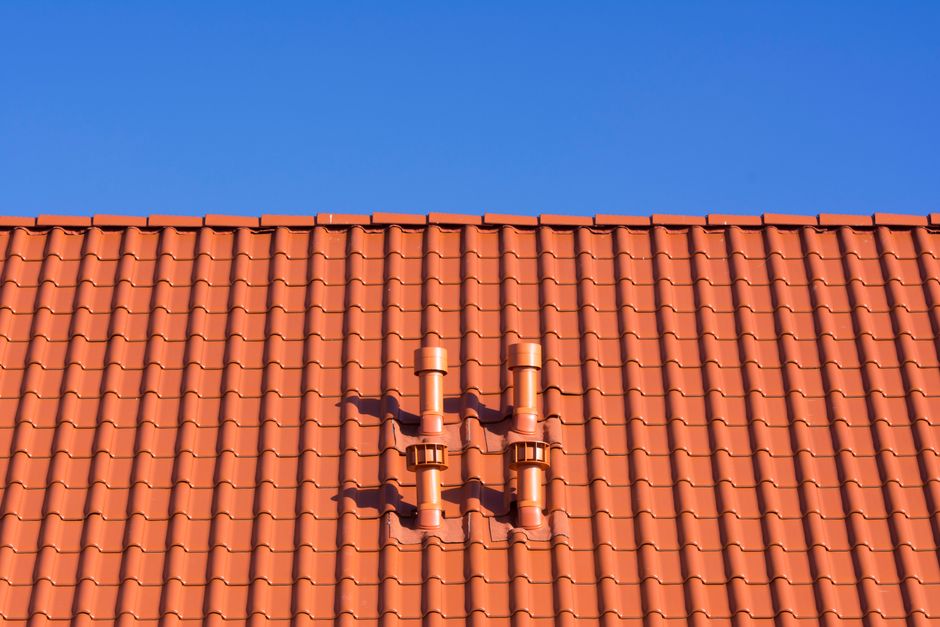
Humidity affects roofing materials mainly by increasing moisture inside the roof system, where it can condense, remain trapped, and gradually damage wood, insulation, fasteners, underlayment, and shingles. In Skaneateles, NY, seasonal moisture, rain, snow, temperature swings, and indoor humidity can all contribute to roofing problems even when there is no obvious leak.
What does humidity do to a roof?
Humidity adds water vapor to the air. That vapor can move through ceilings, insulation, attic openings, roof assemblies, and small gaps around lights, pipes, ducts, and fans. When warm, moist air reaches a colder roof surface, the vapor may condense into liquid water.
This process is different from rain entering through a damaged shingle. A roof can be free of visible holes and still develop moisture problems because of:
- High indoor humidity
- Inadequate attic ventilation
- Air leaks between the living space and attic
- Poorly vented bathrooms, kitchens, or dryers
- Wet insulation or roof decking
- Snow-covered roof surfaces and winter temperature changes
A small amount of condensation may dry without causing damage. Repeated condensation, however, can keep roof materials damp long enough for deterioration to begin.
Why is humidity a concern in Skaneateles?
The local climate exposes roofs to several moisture-related stresses during the year. Damp spring and fall weather, summer humidity, rain, snow, and winter freeze-thaw cycles can all affect the roof assembly.
Cold weather creates a particular risk. Indoor air is usually warmer and more humid than outdoor winter air. If that air escapes into a cold attic, moisture can condense on the underside of the roof deck, nails, metal fasteners, and other cold surfaces.
Snow can add another complication. A snow-covered roof may remain cold for extended periods, while warm areas below the roof can encourage uneven melting. Moisture that refreezes near roof edges can contribute to ice dams, especially when heat loss, insulation gaps, and ventilation problems occur together.
How does humidity affect asphalt shingles?
Asphalt shingles are designed to handle rain, snow, and normal outdoor humidity, but prolonged moisture exposure can shorten their useful life. Humidity does not usually destroy shingles by itself. The greater concern is moisture trapped below or around them.
A persistently damp roof deck can cause shingles to:
- Curl or buckle as the decking expands and contracts
- Lose their flat appearance
- Age unevenly
- Develop weakened seal strips
- Become more vulnerable to wind damage
- Show staining or organic growth in shaded, damp areas
Shingles may also absorb and release small amounts of moisture as conditions change. Repeated wetting and drying can place stress on the entire roof assembly. Dark roof areas, limited sunlight, overhanging branches, and nearby shaded slopes may dry more slowly after rain.
What happens to roof decking and wooden framing?
Wood products are especially sensitive to humidity because they absorb and release moisture. Roof sheathing can swell when damp and shrink as it dries. Repeated movement may lead to raised fasteners, uneven surfaces, nail pops, or buckling beneath the shingles.
Long-term dampness can also support fungal decay. Early signs may include:
- Dark discoloration on the underside of the roof deck
- A musty attic odor
- Soft or weakened wood
- Rusting nails or metal connectors
- Damp insulation
- Flaking or peeling surfaces around roof penetrations
Wood does not have to be visibly soaked to be at risk. A roof deck that remains moderately damp for long periods may deteriorate slowly, particularly where airflow is poor.
Can humidity damage metal roofing?
Metal roofing generally resists moisture better than many organic materials, but it is not immune to humidity-related problems. Condensation can form on the underside of metal panels when warm, moist air meets a cold metal surface.
This may lead to:
- Rust on unprotected fasteners or cut edges
- Corrosion where water remains trapped
- Staining on insulation or roof decking
- Expansion and contraction noises
- Deterioration around seams, penetrations, and flashing
A metal roof can shed rain effectively while still having an interior condensation problem. The surface of the roof is only one part of the system; the underside, fasteners, underlayment, insulation, and ventilation path also matter.
How are underlayment and insulation affected?
Underlayment provides a secondary layer of protection beneath the roof covering, but it is not intended to remain wet indefinitely. Persistent humidity can reduce the performance of some materials, especially if water becomes trapped between the underlayment and roof deck.
Insulation can also create hidden problems. Wet insulation loses insulating value and may hold moisture against wood surfaces. In an attic, compressed or damp insulation may block intended airflow paths at the roof edges, making the original ventilation problem worse.
A common misconception is that more insulation automatically solves roof moisture issues. Insulation helps control heat flow, but it must be installed with proper air sealing and ventilation. If warm indoor air continues to leak into the attic, adding insulation alone may conceal the problem rather than correct it.
What role does attic ventilation play?
Attic ventilation helps remove heat and moisture from the space beneath the roof deck. A typical vented roof depends on a continuous airflow path, often using intake openings near the lower roof edges and exhaust openings near the upper portion.
Ventilation works best when:
- Intake vents are not blocked by insulation
- Exhaust vents are properly installed
- Air can move along the underside of the roof deck
- Ceiling penetrations are reasonably air-sealed
- Bathroom and kitchen exhausts discharge outdoors
- The attic is not receiving large amounts of heated indoor air
Ventilation should not be viewed as a substitute for air sealing. If warm, humid air is entering the attic through ceiling gaps, ventilation may reduce the moisture concentration but may not eliminate condensation.
How can residents recognize a humidity-related roof problem?
Humidity-related damage often appears first in the attic rather than on the exterior roof. During a cold morning, look for frost or water droplets on roof nails, darkened roof sheathing, damp insulation, or moisture around attic penetrations.
Inside the home, warning signs may include:
- Peeling paint near upper ceilings
- Water marks that appear during cold weather
- Musty odors
- Mold-like staining in the attic
- Excessive window condensation
- Icicles or recurring ice buildup at roof edges
- A bathroom fan that vents into the attic
Not every stain indicates a humidity problem. Roof leaks, plumbing leaks, ice dams, and wind-driven rain can create similar symptoms. The timing and location of the moisture can help distinguish between causes.
What practical steps reduce humidity-related roof damage?
The most useful measures address moisture at its source and keep the roof assembly able to dry.
- Use bathroom and kitchen exhaust fans during and after moisture-producing activities.
- Make sure exhaust ducts terminate outdoors rather than in the attic.
- Keep attic insulation away from intended soffit or intake ventilation paths.
- Seal obvious gaps around attic hatches, wiring, plumbing, and recessed fixtures when appropriate.
- Avoid excessive indoor humidification during cold weather.
- Keep gutters and drainage paths clear so roof edges are not exposed to unnecessary standing water.
- Inspect the attic after major temperature changes, heavy rain, or snow.
- Look for damaged flashing, open seams, and roof penetrations where water may enter.
- Do not cover or disturb suspected mold, damaged wiring, or unstable roof decking without appropriate safety precautions.
Roof work may require added caution when there is structural damage, electrical exposure, significant mold growth, or unsafe access. Walking on snow-covered or steep roofing can create serious fall hazards.
Humidity is a normal part of the local environment, but moisture becomes harmful when it is trapped, repeatedly condensed, or prevented from drying. A durable roof depends on more than shingles or metal panels. It also requires sound decking, properly managed indoor moisture, effective air sealing, suitable ventilation, and details that allow the assembly to dry after wet conditions.
