
Which roofing material is better for a home in Skaneateles, NY?
Neither asphalt shingles nor metal roofing is universally better. The right choice depends on the roof’s slope, the home’s design, expected service life, budget, ventilation, and how the property handles snow, ice, wind, and moisture.
Asphalt shingles remain the most common residential roofing material because they are familiar, adaptable, and generally less expensive to install. Metal roofing typically costs more at the beginning but may last longer and provide strong resistance to severe weather. Both can perform well when properly designed, installed, and maintained.
How do asphalt shingles and metal roofing differ?
Asphalt shingles are layered roofing products made with a fiberglass base, asphalt coating, and mineral granules. They are available in many colors and profiles, including styles that resemble wood shakes or slate.
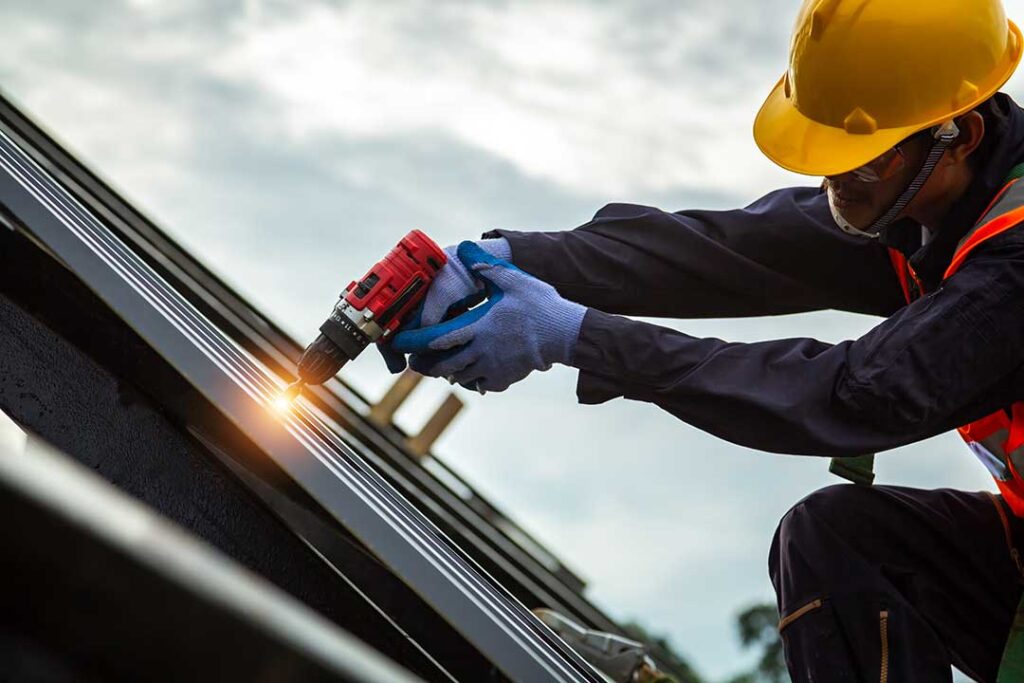
Metal roofing may be made from steel, aluminum, or other metals. Residential systems can have exposed fasteners or concealed fastening, and panels may be shaped to resemble standing-seam roofs, shingles, or other traditional materials.
The main differences involve:
- Initial cost: Asphalt shingles usually have a lower installation cost.
- Expected service life: Many asphalt roofs last roughly 15 to 30 years, while well-installed metal roofs can last several decades.
- Weather performance: Metal resists many forms of impact, moisture, and wind damage, while asphalt shingles can be easier to repair after localized damage.
- Appearance: Asphalt offers broad stylistic flexibility; metal provides a more distinct architectural appearance.
- Weight: Most metal roofing is relatively lightweight, although the existing roof structure still needs to be evaluated.
- Noise: Metal can sound louder during rain if the roof assembly lacks adequate insulation or underlayment.
Actual performance depends heavily on material quality, installation details, attic ventilation, roof geometry, and maintenance.
Which roof handles snow and ice better?
Both materials can work in snowy conditions, but their behavior is different. Metal roofing has a smooth surface, so snow may slide off suddenly as temperatures rise. That can protect the roof from prolonged snow loading, but it also creates a safety concern over entrances, walkways, lower roofs, and areas where people or pets pass.
Snow guards or other retention systems may be appropriate in locations where sliding snow could cause injury or property damage. These devices need to be planned as part of the roofing system rather than added without considering panel seams and structural support.
Asphalt shingles hold snow in place more readily. That can reduce sudden snow slides, but accumulated snow and ice may remain on the roof longer. The roof must be properly flashed and ventilated to reduce the likelihood of ice dams, which form when heat escapes through the attic and melts snow unevenly.
Neither roofing material eliminates ice-dam risk. Attic insulation, air sealing, ventilation, roof shape, and drainage details are often more influential than the surface material itself.
Are metal roofs too noisy during rain?
A metal roof can sound louder than asphalt shingles, especially over an unfinished attic, porch, or addition. However, the level of noise depends on the complete roof assembly.
Insulation, roof decking, underlayment, attic flooring, and interior ceilings all affect sound transmission. A metal roof installed over solid decking with appropriate underlayment may not be objectionably loud in normal living areas.
The idea that every metal roof sounds like a drum during rain is an oversimplification. Noise is more likely to be noticeable where the roof has little insulation or where panels are installed over open framing.
Which option lasts longer?
Metal roofing generally offers the longer potential service life. Depending on the material, coating, installation quality, and exposure, a metal roof may remain functional for 40 years or more. Some systems can last significantly longer, but longevity should not be assumed solely because the roof is metal.
Asphalt shingles commonly have a shorter service life. Basic products may require replacement sooner, while higher-grade shingles can last longer under favorable conditions. Dark colors, poor attic ventilation, repeated storm exposure, algae growth, and installation defects can shorten performance.
A longer lifespan does not automatically make metal roofing the better financial choice. The roof may be replaced before the end of its theoretical service life because of remodeling plans, resale decisions, changing aesthetics, or damage to the underlayment and flashing.
Is asphalt roofing easier to repair?
Localized repairs are often more straightforward with asphalt shingles because individual shingles can usually be replaced without disturbing a large section of the roof. Matching older shingles can be difficult, however, especially if the original product is discontinued or the existing roof has faded.
Metal roofing can also be repaired, but the approach depends on the system. Problems may involve fasteners, seams, penetrations, coatings, flashing, or panel damage. A poorly matched patch can be visible and may not address the underlying issue.
For both materials, small leaks should not be ignored. Water may travel along roof decking, rafters, insulation, or wall cavities before appearing inside the house. The visible stain is not always located directly below the source.
Which roof is more suitable for older homes?
Asphalt shingles often blend easily with older residential architecture because they are available in traditional shapes and colors. They can be a practical choice where the roof has multiple dormers, valleys, small additions, or complex transitions.
Metal roofing can also suit older homes, particularly when its profile and color complement the building. Standing-seam metal may look out of place on some traditional designs, while metal shingles or low-profile panels may provide a more compatible appearance.
Older houses require special attention to roof structure, previous layers of roofing, ventilation, and irregular framing. The best material cannot compensate for deteriorated decking, inadequate flashing, or moisture problems in the attic.
What are the maintenance requirements?
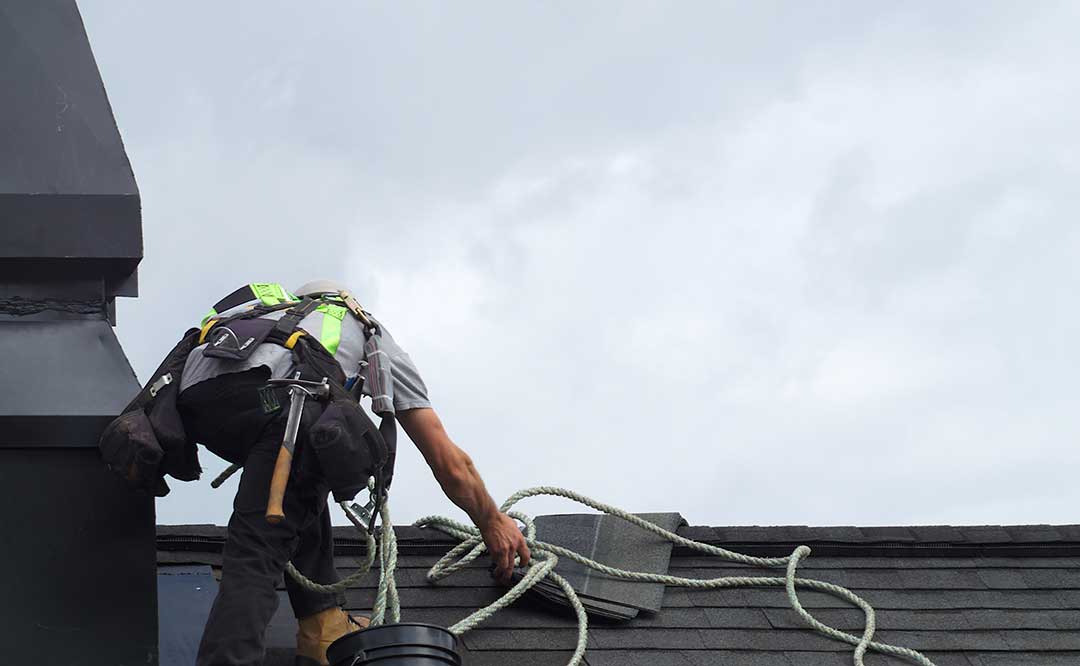
Asphalt shingles should be checked periodically for:
- Missing, cracked, curled, or loose shingles
- Granules collecting in gutters
- Damaged flashing around chimneys, skylights, and roof penetrations
- Moss or organic growth that holds moisture
- Debris restricting drainage
Metal roofs should be checked for:
- Loose or missing fasteners
- Open seams or damaged flashing
- Corrosion, scratches, or coating failure
- Debris trapped around roof penetrations
- Blocked gutters and downspouts
- Snow-retention components that have shifted or loosened
Trees near the home deserve attention regardless of roofing material. Falling branches, persistent shade, leaf accumulation, and blocked drainage can reduce the life of either type of roof.
Is metal roofing more energy efficient?
Metal roofing can help reflect solar heat, particularly when it has a light-colored, reflective finish. That may reduce heat gain during summer, although the effect depends on attic insulation, ventilation, roof color, and the home’s overall design.
Asphalt shingles are not necessarily inefficient. A properly insulated and ventilated attic often has a greater effect on indoor comfort and energy use than the choice between shingle and metal surfaces.
Energy savings should not be the only reason to select metal roofing. In a cold, snowy climate, air leakage and insulation problems can cause winter heat loss regardless of the roof covering.
Which roofing choice makes more sense?
Asphalt shingles may be the more practical choice when:
- Initial cost is a primary concern.
- The home has a complex roof with many valleys or transitions.
- A conventional appearance is preferred.
- Individual repairability is important.
- The expected ownership period is shorter than the roof’s likely service life.
Metal roofing may be worth considering when:
- A long service life is a priority.
- The roof has a suitable design and adequate structural support.
- Snow-slide planning can be addressed safely.
- The homeowner prefers the appearance and performance characteristics of metal.
- Reduced replacement frequency is more important than the higher upfront cost.
The decision should include more than the visible roof covering. Underlayment, flashing, ventilation, drainage, roof geometry, snow management, and the condition of the deck often determine whether a new roof performs well in the long term.
For local households, seasonal inspections are especially useful after winter and after major wind events. Looking for small signs of trouble before water enters the living space can help distinguish a manageable maintenance issue from a larger roofing failure.
