

How Many Years Does a Roof Usually Last?
Most residential roofs in Skaneateles, NY last between 20 to 50 years, depending on the roofing material, weather exposure, and how well the roof is maintained. Asphalt shingles, the most common type for area homes, average 15 to 30 years before requiring significant repairs or replacement. Premium materials such as metal or slate can stretch closer to 40 or even 70 years under the right conditions.
A roof’s lifespan is not set in stone, and several local factors—especially winter freeze-thaw cycles, wind storms, and lake-effect snow—can shorten or extend its years of service.
What Factors Affect How Long a Roof Lasts?
A roof’s longevity is shaped by the materials used, installation quality, and exposure to environmental stresses unique to Skaneateles:
- Material: Architectural asphalt shingles typically last longer than standard 3-tab versions. Metal and synthetic roofs can offer double the lifespan.
- Weather and Climate: Repeated snow accumulation, ice dams, and moisture from the nearby lake can speed up roof aging. Heavy snow loads often found in the community add extra weight that stresses the structure each winter.
- Ventilation and Insulation: Proper attic ventilation prevents ice dams and roof deck rot. In this region, roofs lacking airflow are at greater risk of early failure.
- Installation Quality: Even premium materials won’t perform as expected if installation is rushed or corners are cut. Poor flashing technique or skipped underlayment often leads to premature leaks.
- Maintenance: Quick snow removal, keeping gutters clear of leaves, and addressing minor shingle damage after wind events can extend the life of a roof by years.
What Are the Typical Lifespans by Roof Type?
While not every home in the city uses the same roof covering, the following averages reflect local experience:
- *Asphalt shingles*: 15–30 years (architectural types at the higher end, 3-tab at the lower)
- *Metal roofing*: 40–70 years (aluminum and steel are most common for residential)
- *Slate*: 50–100 years or longer with proper maintenance, although heavy and more expensive to repair
- *Wood shakes/shingles*: 20–30 years, but become vulnerable to moss, algae, and rot due to frequent moisture
- *Synthetic/composite materials*: 25–50 years, depending on product quality
Even within these ranges, location-specific stressors—wind-driven rain or long cold snaps—sometimes shorten real-world lifespan compared to what’s advertised.
Are There Maintenance Habits That Help a Roof Last Longer Here?
Simple routines have an outsized impact on how long a roof protects your home in Skaneateles:
- Remove debris and leaves, especially after fall storms and before the first heavy snow.
- Inspect the attic for excess humidity or mold, which could indicate hidden leaks.
- Watch for ice dams along eaves after temperature swings in winter and address insulation gaps if found.
- Replace missing or damaged shingles after high winds or hail.
- Clean gutters and downspouts each spring and fall to prevent water back-up.
- Trim back overhanging tree limbs so branches don’t scrape off shingle granules during windy weather.
Most maintenance tasks do not require climbing onto the roof. Many issues are visible from the ground or can be checked after storms with binoculars.
How Do Weather and Seasons in Skaneateles Impact Roof Aging?
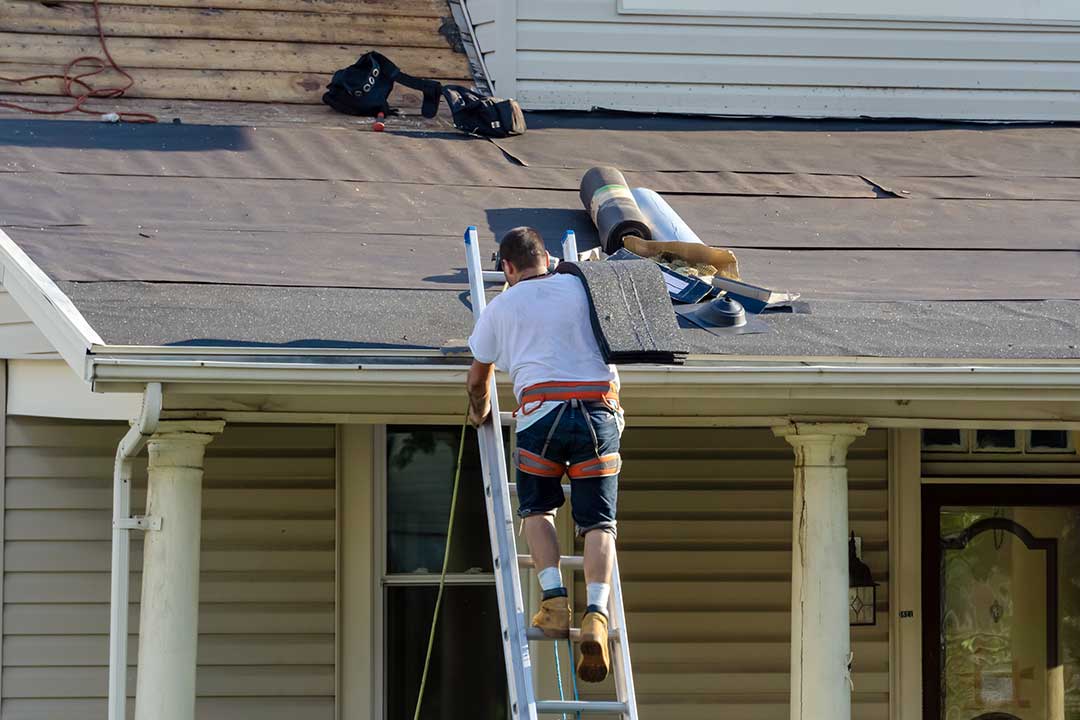
Roofs in the city deal with significant freeze-thaw cycles, snow buildup, and summer storms. Winter is especially harsh: accumulated snow can add thousands of pounds of pressure, and melting ice may cause leaks if gutters or valleys clog.
Spring and fall bring wind gusts that strip off shingles or dislodge flashing, especially on older, brittle roofs. Warm weather expansion and cool weather contraction can also stress seals and cause premature cracking.
Because of proximity to the lake, local humidity is often higher, which can encourage algae or moss growth—both stress roof materials over time if not quickly managed.
Are There Signs Homeowners Should Watch For to Know a Roof Is Nearing the End of Its Life?
Several reliable signals often indicate a roof is reaching the end of its safe, effective life:
- Curling, buckling, or missing shingles—especially after storms
- Excessive amounts of granules in gutters (for asphalt roofs)
- Soft spots or sagging sections in the roof deck
- Persistent ice dams winter after winter
- Visible daylight in the attic, or active/leaking spots during heavy rain
- Moss or algae takeover not easily removed with cleaning
Ignoring these symptoms increases the risk of sudden leaks or more expensive structural damage.
What Do People Commonly Misunderstand About Roof Longevity?
A common misconception in the area is that all asphalt roofs last the same 20 years, or that modern shingles do not need to be checked until they visibly fail. Lifespan varies significantly based on slope, orientation, attic conditions, and the number of harsh winters the roof has survived.
Another mistaken belief is that “multi-layering” (installing new shingles over old ones) extends lifespan. In reality, this practice may mask underlying issues and cause the new layer to age more quickly.
Finally, some assume that higher-cost materials require no maintenance at all. All types, from metal to slate, benefit from annual inspection and basic care.
Can Local Codes or Housing Patterns Affect Roof Life?
While roofing codes in Skaneateles align with New York State standards, most are designed for safety and energy efficiency rather than material longevity. Requirements for snow load, ventilation, and weatherproofing do protect against some of the region’s toughest challenges.
Homes closer to the lake or under dense tree cover tend to see more rapid wear, while newer neighborhoods with modern venting often experience better roof longevity.
