
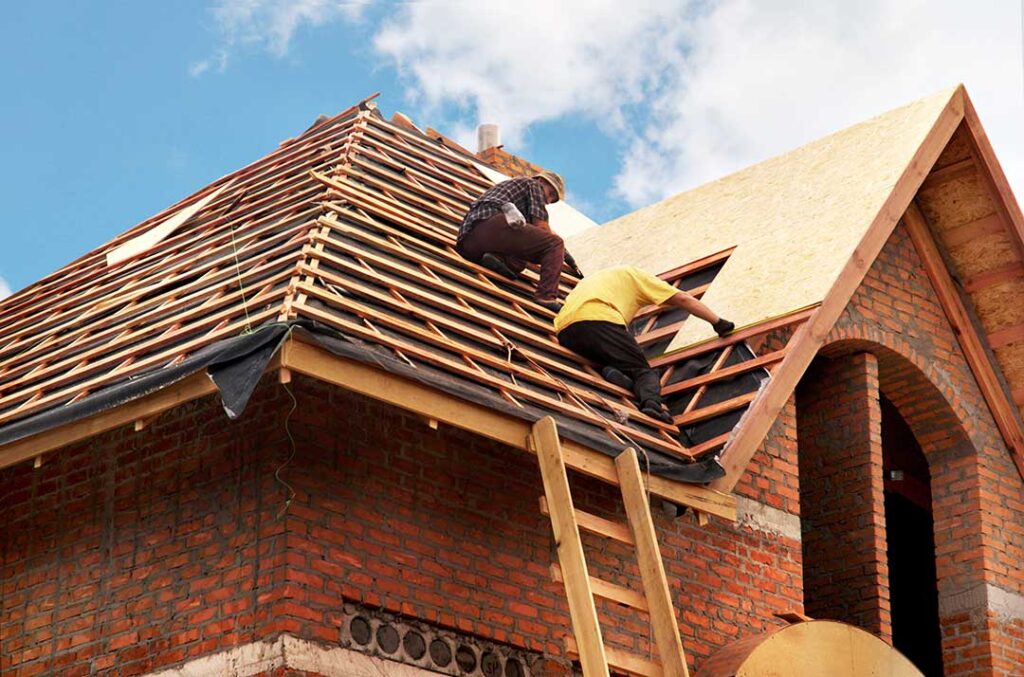
Hanging seasonal lights can add warmth to a home, but roof access, winter weather, and electrical hazards make the job more serious than it may appear. In Skaneateles, NY, cold temperatures, snow, ice, wind, and older housing details can all affect how lights should be installed.
The safest approach is to keep people off the roof whenever possible, attach lights only to suitable edges or structures, and inspect the electrical setup before anything is plugged in.
What is the safest way to hang lights on a roof?
The safest method is to install lights from a ladder while standing on stable ground, using clips designed for the specific edge being decorated. Avoid walking on shingles, stepping on gutters, or fastening lights by drilling into roofing materials.
Roof shingles can become brittle in cold weather and slippery when damp. Even a low-slope roof may be hazardous if it has frost, wet leaves, moss, or a thin layer of ice. A roof edge that looks easy to reach from the ground can also require leaning or overreaching from a ladder.
For many homes, the practical limit is the lower roofline, porch edge, or eave that can be reached without climbing onto the roof. Higher sections and steep slopes should not be treated as do-it-yourself access points.
Should lights be attached to shingles or gutters?
Lights should not be stapled, nailed, screwed, or otherwise penetrated through shingles. Fasteners can damage the weather-resistant surface and create openings where water may enter. Even small punctures can become a problem after repeated freeze-thaw cycles.
Gutters also require care. Avoid placing body weight on them or using them as a ladder support. They are designed to carry water, not people, and older gutters may pull away from the fascia when stressed.
Use removable clips that grip an appropriate roof edge, fascia board, gutter lip, or eave trim without piercing the roofing system. The clip should support the light strand without pinching the wire. If a clip does not fit securely, it is better to change the layout than to force it into place.
Before attaching anything, check for:
- Loose or missing shingles
- Sagging gutters or detached downspouts
- Soft, rotted, or cracked fascia
- Exposed nails or sharp metal edges
- Ice buildup along the eaves
- Branches that could rub against the lights
A damaged roof edge should not be used as an attachment point.
How should a ladder be positioned for roof-light installation?
A ladder must sit on firm, level ground and be placed away from snowbanks, icy patches, and sloped landscaping. In winter, the ground may look stable while a thin layer of ice is present underneath loose snow or wet leaves.
Keep the ladder away from overhead electrical lines and do not place it against gutters, downspouts, skylights, or fragile trim. The ladder should extend above the access point when it is being used to step onto a higher surface, but stepping onto a roof should generally be avoided for light installation.
A second person should stabilize the ladder and pass up light strands or clips. This reduces the need to climb while carrying materials. Keep both hands available whenever climbing, and move the ladder instead of stretching sideways.
Do not work from a ladder during strong wind, active snowfall, freezing rain, or wet conditions. Cold weather can also reduce hand strength and make gloves less effective for gripping rungs.
What electrical precautions are needed?
Outdoor lights must be specifically rated for outdoor use. Indoor-only strands, extension cords, timers, and power strips are not suitable for exposure to moisture and temperature changes.
Inspect every strand before installation. Do not use lights with:
- Cracked or split insulation
- Exposed copper
- Bent or damaged plugs
- Burn marks
- Loose sockets
- Missing weather protection
- Evidence of chewing or other damage
Connect the lighting system to a ground-fault circuit interrupter, commonly called a GFCI. This type of protection helps reduce shock risk if electricity comes into contact with moisture. If an exterior outlet repeatedly trips, do not bypass the protection or keep resetting it without finding the cause.
Outdoor connections should be kept off the ground and protected from standing water. Do not bury a plug connection in snow, place it in a puddle, or cover it with a plastic bag that can trap condensation. Use weather-rated connection covers and follow the light manufacturer’s limits for connecting strands end to end.
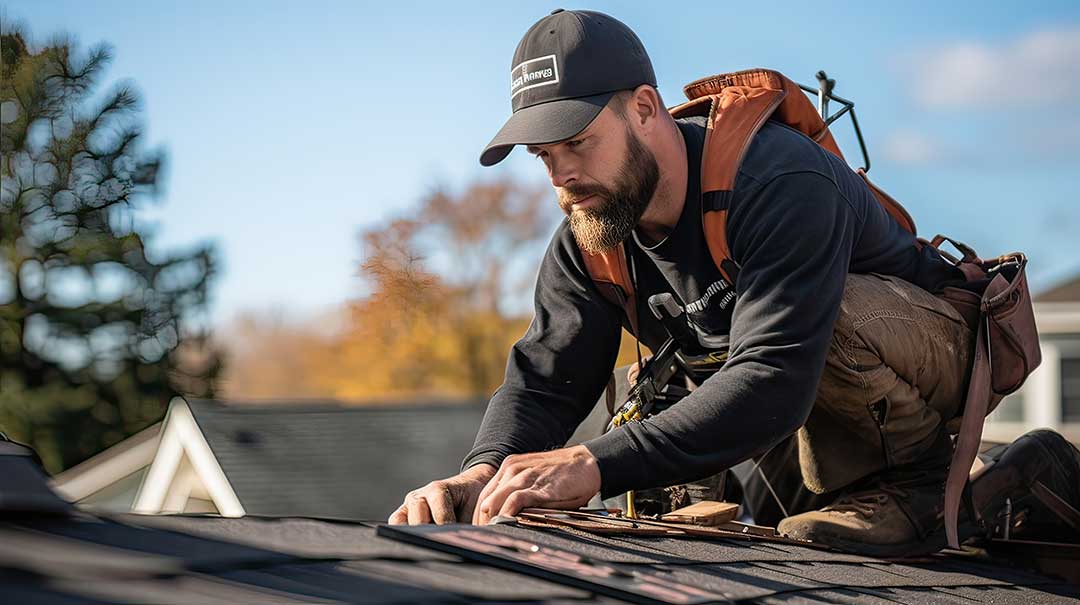
Extension cords should be rated for outdoor conditions and sized for the electrical load. They should not run across walkways, driveways, or areas where snow removal equipment may catch them.
How can lights be secured against wind and snow?
Light strands should be supported at regular intervals so they do not sag heavily or pull against one connection point. Leave enough slack for normal movement, but avoid large loops that can collect snow or catch branches.
In a snowy climate, avoid placing lights where snow slides from a roof edge. Falling snow and ice can pull down strands, damage gutters, or create a hazard for people below. Light clips should not be used to hold snow guards, decorations, or other heavy objects.
Keep strands clear of:
- Chimneys and hot exhaust areas
- Sharp flashing edges
- Moving doors or windows
- Tree branches that rub in the wind
- Areas where snow is routinely shoveled or pushed
- Roof valleys where snow and ice accumulate
Never use lights to conceal an existing roof problem. If a strand must be routed around a sagging gutter, missing flashing, or damaged trim, the underlying issue should be addressed before decorating.
Is it safe to hang lights around a chimney or roof vent?
Lights should not be wrapped around a chimney, furnace vent, plumbing vent, or other heat-producing or exhaust component unless the fixture is specifically designed for that location. Heat can damage wiring, and some vents must remain clear for proper operation.
Do not block attic ventilation openings, soffit vents, ridge vents, or intake areas. Covering ventilation can contribute to moisture buildup and may interfere with the roof’s ability to release warm, humid air.
Keep light cords away from metal edges and do not route them under flashing. Flashing is part of the roof’s water-shedding system; lifting or disturbing it can allow leaks.
What should be done before taking the lights down?
Remove lights during dry, calm conditions rather than waiting until they are covered with ice or buried in snow. Do not pull on a strand from the ground, since the force can damage clips, gutters, shingles, or electrical connections.
Remove clips by releasing them individually. Never yank a long section loose. After removal, inspect the strands for damage and allow them to dry before storage. Coil cords loosely instead of wrapping them tightly around the arm or body, which can stress the wiring.
Store lights in a dry container away from rodents, sharp tools, and extreme heat. Labeling strands by location can make the next installation safer and reduce rushed work in cold weather.
When should roof-light installation stop?
Stop immediately if the ladder shifts, the roof edge moves, ice begins forming, wind increases, or electrical protection trips repeatedly. A person should also avoid the task if balance, vision, mobility, or hand strength is affected by the conditions.
Professional assistance is justified when lights require roof access, the roof is steep or fragile, electrical components need repair, or the home has damaged roofing, unstable gutters, overhead wires, or difficult terrain. The safest decoration is the arrangement that can be installed and removed without placing a person on an icy roof or compromising the roof’s water-shedding materials.
