
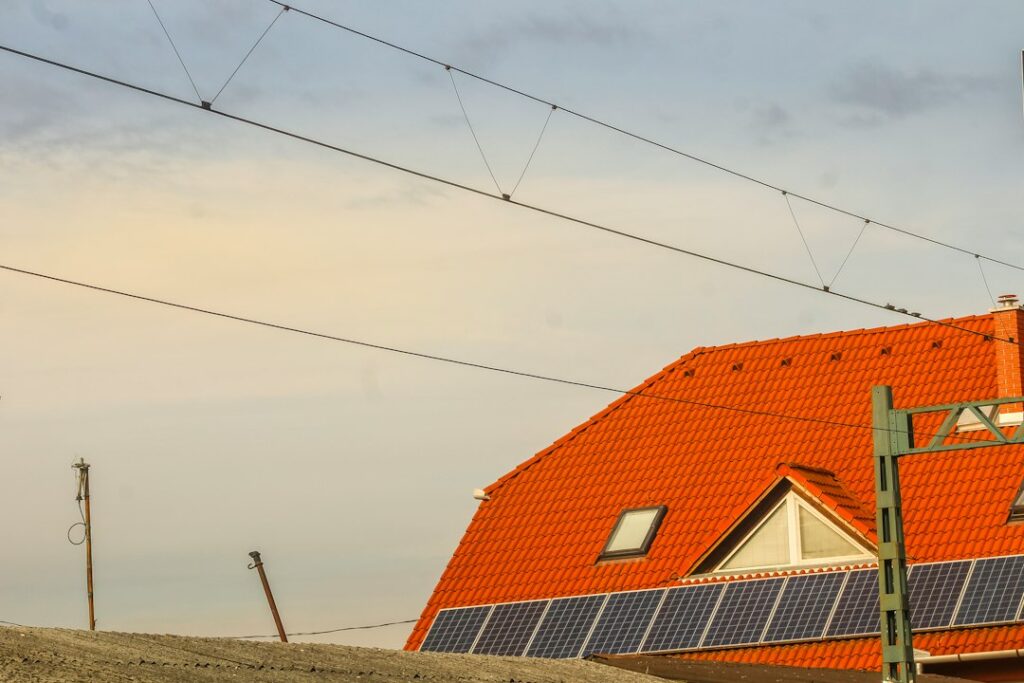
Solar panels can work well on many homes in Skaneateles, NY, but the condition and design of the roof should be evaluated before the equipment is installed. Roof age, structural capacity, snow and wind exposure, shading, drainage, and future repair needs all affect whether a rooftop solar project is practical.
Is the existing roof strong enough for solar panels?
Usually, the roof can support solar panels when it is in sound condition and the mounting system is properly designed. Solar equipment adds weight to the roof and creates attachment points that must resist wind uplift, snow loads, and seasonal movement.
An evaluation should consider:
- The roof framing, span, spacing, and overall condition
- The weight of the panels, mounting rails, and related equipment
- The number and location of roof attachments
- Existing roofing layers and any areas weakened by moisture
- Local snow and wind loads
- Whether the roof has unusual construction, steep slopes, or heavy roofing materials
A roof may appear visually sound while still having issues that matter for solar installation. Sagging roof planes, soft sheathing, water stains, damaged rafters, and recurring leaks deserve attention before panels cover the area.
New York’s solar permitting guidance recognizes that structural calculations may be needed when a roof has multiple covering layers, the system adds significant weight, the mounting arrangement is unusual, or framing modifications are required. That is especially relevant in older homes, additions, barns, and properties with several roofing materials.
Should a roof be replaced before solar panels are installed?
If the roof is near the end of its useful life, replacement before solar installation is usually the more sensible sequence. Solar panels may remain in service for two decades or longer, while many asphalt-shingle roofs have a shorter remaining lifespan.
Installing panels over an aging roof can create an avoidable problem. When the roof eventually needs replacement, the solar array and mounting equipment generally must be removed and reinstalled. That adds labor, creates scheduling complications, and may temporarily reduce electricity production.
Warning signs that the roof should be evaluated first include:
- Shingles that are curling, brittle, cracked, or losing granules
- Repeated leaks or repaired leak areas
- Exposed underlayment or deteriorated flashing
- Sagging along the roofline
- Roof coverings that are already several decades old
- More than one existing layer of roofing material
The roof does not necessarily need to be brand new. A relatively recent roof with good flashing, solid decking, and substantial remaining service life may be a reasonable base for solar equipment. The key question is not simply whether the roof is leak-free today, but whether it is likely to remain reliable for the expected life of the solar system.
How do snow, ice, and seasonal weather affect rooftop solar?
Solar panels are designed for outdoor conditions, including cold temperatures and snow. In the Skaneateles area, however, roof design must account for winter snow accumulation, freeze-thaw cycles, ice, wind, and changing moisture conditions.
Panels can shed snow as sunlight warms their surface, but they should not be treated as a substitute for proper roof drainage or snow management. A roof that already has inadequate ventilation, blocked drainage, or ice-dam problems may continue to experience those issues after panels are installed.
Important design considerations include:
- Keeping attachment points properly flashed and sealed
- Avoiding blocked valleys, gutters, and drainage routes
- Accounting for snow sliding from panels onto lower roof sections
- Maintaining safe access around roof edges and required equipment
- Using mounting hardware designed for local wind and snow conditions
- Inspecting areas below panel edges for accelerated wear or runoff
Snow guards may be appropriate where falling or sliding snow could threaten entrances, walkways, lower roofs, vehicles, or landscaping. Their use depends on roof shape, panel arrangement, and the areas below the array.
Does roof direction or shade matter?
Yes. Roof orientation and shading strongly influence how much electricity a solar array can produce. A south-facing roof often receives the most useful sunlight over the course of a year, but east- and west-facing roof planes may also perform well.
Trees, chimneys, dormers, nearby structures, and roof sections that shade one another can reduce production. Shade is particularly significant during parts of the day when the system would otherwise be generating electricity.
In a community with mature trees and wooded lots, seasonal changes matter. A roof may receive full sun in winter but become shaded after trees leaf out. Conversely, trees that appear manageable today may grow into the solar path over the life of the system.
A solar design should examine shade throughout the year rather than relying on a single sunny-day observation. Roof shape also matters. Multiple small roof planes, dormers, skylights, vents, and chimneys can reduce the usable area even when the total roof appears large.
Will solar installation cause roof leaks?
Solar panels do not automatically cause leaks, but any roof penetration creates a location that must be carefully integrated with the roofing system. The mounting method, flashing, sealants, attachment location, and workmanship all matter.
A durable installation should:
- Attach to appropriate structural members
- Use flashing compatible with the roof covering
- Avoid relying only on surface sealant for long-term waterproofing
- Preserve drainage paths
- Keep penetrations away from vulnerable roof transitions when possible
- Follow the roofing and mounting-system manufacturers’ requirements

Flashing is especially important around penetrations. Sealant can deteriorate from ultraviolet exposure, temperature changes, and movement, so it should not be viewed as the only defense against water entry.
After installation, homeowners should know where the array is mounted and retain diagrams, permits, warranties, and maintenance records. Those documents can help identify the source of a future leak or determine which system components must be removed during roof work.
What happens if the roof needs repairs later?
Roof repairs beneath solar panels can be more complicated than repairs on an uncovered roof. Access may be limited, and panels may need to be temporarily removed. Responsibility for removal, storage, reinstallation, and any lost energy production should be clearly addressed in the system agreement and warranty documents.
Homeowners should also consider how roof accessories may interact with the array. Skylights, attic vents, plumbing vents, satellite equipment, gutters, and future additions can influence panel placement. A layout that leaves reasonable access and avoids unnecessary conflicts may be easier to maintain over time.
If a roof is damaged by wind, hail, falling branches, or ice, the roof and solar equipment may be covered under different warranties or insurance terms. Coverage should not be assumed. Records showing the age and condition of both systems can be useful when damage occurs.
Are permits required for rooftop solar?
Rooftop solar generally involves building, electrical, fire-safety, and utility requirements. The local authority having jurisdiction determines which permits, inspections, zoning reviews, and forms apply to a specific property.
New York has a unified solar permitting process for certain small residential systems, but eligibility depends on project details and local adoption. A project may require additional review if it involves unusual structural conditions, multiple roof layers, significant elevation above the roof, special zoning circumstances, or a property subject to architectural or historic review.
Permitting is not just paperwork. Inspections help verify that the roof attachments, wiring, fire clearances, structural design, and equipment installation meet applicable requirements.
What should homeowners check before making a decision?
Before approving a rooftop solar layout, review the roof and the project as one system rather than treating panels as separate equipment. Useful questions include:
- How old is the roof, and how much service life remains?
- Has the roof ever had recurring leaks or structural repairs?
- Can the framing support the added weight and wind forces?
- Will snow slide toward doors, walkways, or lower roof sections?
- Are trees likely to shade the array in future years?
- Will vents, skylights, chimneys, and gutters remain accessible?
- What happens if the roof must be repaired or replaced?
- Which permits and inspections apply to the property?
- Are the roof warranty and solar equipment warranty compatible?
For many homes, the most cost-effective time to coordinate roofing and solar work is during a planned roof replacement, provided the design, budget, and electrical requirements are evaluated together. For other homes, a sound existing roof may be suitable without replacement. The right decision depends on the roof’s remaining life, structure, exposure, and long-term maintenance needs—not simply on the amount of available sunlight.
