
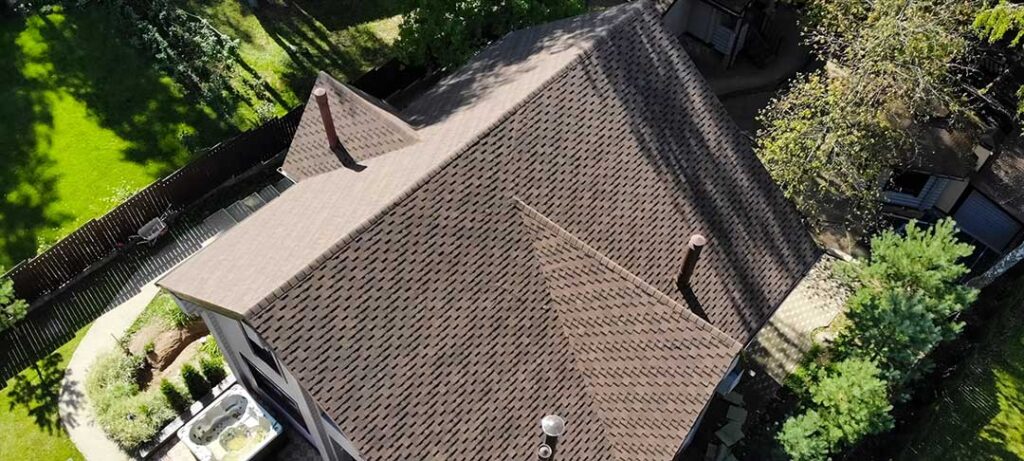
A roof is made up of more than shingles. It is a system of layered materials that sheds water, manages airflow, protects the structure, and helps a home withstand seasonal weather. Understanding the basic terms makes it easier to read inspection reports, discuss maintenance, and recognize early warning signs.
What are the main parts of a residential roof?
The roof system includes the visible covering and the layers beneath it. Each part has a specific job, and a problem in one area can affect the others.
Common components include:
- Roof deck: The structural surface, usually plywood or oriented strand board, installed over the rafters or trusses.
- Underlayment: A water-resistant layer placed over the roof deck and beneath the shingles or other roofing material.
- Shingles or roof covering: The exposed layer that sheds rain, snow, and sunlight.
- Flashing: Thin pieces of metal or flexible material installed around areas where water could enter, such as chimneys, walls, valleys, and roof penetrations.
- Drip edge: A metal strip along roof edges that helps direct water away from the fascia and roof deck.
- Ridge: The highest horizontal line where two sloping roof planes meet.
- Eave: The lower edge of a sloped roof, where water typically flows toward the gutter.
- Rake: The sloped edge of a roof along a gable end.
These terms often appear in inspection reports, repair descriptions, and insurance documentation.
What is roof pitch, and why does it matter?
Roof pitch describes how steeply a roof rises compared with how far it extends horizontally. A roof with a greater vertical rise has a steeper pitch.
Pitch affects several practical issues:
- How quickly rain and melting snow run off
- How much snow may remain on the roof
- Which roofing materials are suitable
- How difficult the roof is to walk on safely
- How flashing and ventilation details should be installed
A low-slope roof may need different materials and drainage methods than a steep asphalt-shingle roof. Pitch is sometimes described as a ratio, such as 6:12, meaning the roof rises six inches for every twelve inches of horizontal distance.
In a snowy climate, roof pitch can influence how snow behaves, but steepness alone does not determine whether a roof will perform well. Insulation, ventilation, air leakage, roof shape, and snow conditions also matter.
What does roof flashing do?
Flashing directs water away from vulnerable joints and changes in roof direction. It is commonly installed where the roof meets a chimney, sidewall, dormer, skylight, vent, or plumbing pipe.
Flashing problems are a frequent source of leaks because these locations interrupt the continuous surface of the roof. Common flashing terms include:
- Step flashing: Small metal pieces installed in overlapping layers where a roof meets a wall.
- Counterflashing: Material installed into or over a wall, chimney, or masonry joint to help protect the upper edge of base flashing.
- Valley flashing: Flashing placed in a roof valley, where two roof slopes meet and collect water.
- Pipe flashing: A boot-shaped component that seals around plumbing vents.
A roof can have intact shingles and still leak if flashing is loose, corroded, poorly sealed, or incorrectly layered.
What are roof valleys and why do they deserve attention?
A valley is the inside angle formed where two roof sections meet. It collects water and channels it toward the eaves or a drainage point.
Valleys may be designed as:
- Open valleys, where visible metal or another exposed lining carries water.
- Closed-cut valleys, where shingles overlap in a defined pattern.
- Woven valleys, where shingles from both roof planes interlace.
Because valleys handle concentrated water flow, debris, ice, and leaves can create problems there. A valley that appears dark, wavy, cracked, or separated deserves closer attention. Ice buildup can also increase pressure around valley materials during freeze-thaw cycles.
What is underlayment?
Underlayment is a protective layer installed between the roof deck and the outer covering. It provides secondary resistance against water and can help protect the deck if wind-driven rain reaches beneath the shingles.
Common types include asphalt-saturated felt and synthetic underlayment. Some roof areas, especially eaves and valleys, may also use specialized waterproof membrane designed to resist leakage caused by ice dams or concentrated runoff.
Underlayment is not a replacement for properly installed shingles or flashing. It is one layer within a larger water-management system.
What is an ice dam?
An ice dam is a ridge of ice that forms along a roof edge and prevents melting snow from draining normally. Water can then collect behind the ice and move beneath roofing materials.
Ice dams often result from uneven roof temperatures. Heat escaping from the living space can warm upper roof areas, while the colder eaves allow water to refreeze. Inadequate insulation, air leakage, blocked ventilation, and heavy snow can all contribute.
Warning signs include:
- Icicles accompanied by thick ice along the eaves
- Water stains on ceilings or upper walls
- Damp insulation in the attic
- Repeated winter leaks near exterior walls
Removing roof snow or ice can be hazardous and may damage roofing materials. Safety becomes especially important during winter maintenance.
What do roof ventilation terms mean?
Roof ventilation helps move air through the attic or roof assembly. A balanced system generally includes intake openings near the lower roof edges and exhaust openings near the ridge or upper roof area.
Common terms include:
- Soffit vent: An intake vent installed beneath the eave.
- Ridge vent: A continuous or segmented exhaust vent installed near the roof ridge.
- Gable vent: A vent placed in a gable wall.
- Roof or box vent: An exhaust vent installed through the roof surface.
- Baffle: A channel that helps maintain airflow between insulation and the underside of the roof deck.
Ventilation does not mean the attic should be exposed to outdoor air everywhere. Air should move through designated pathways while the ceiling plane remains properly air-sealed and insulated. Poorly balanced ventilation can contribute to moisture, frost, mold growth, or premature material deterioration.
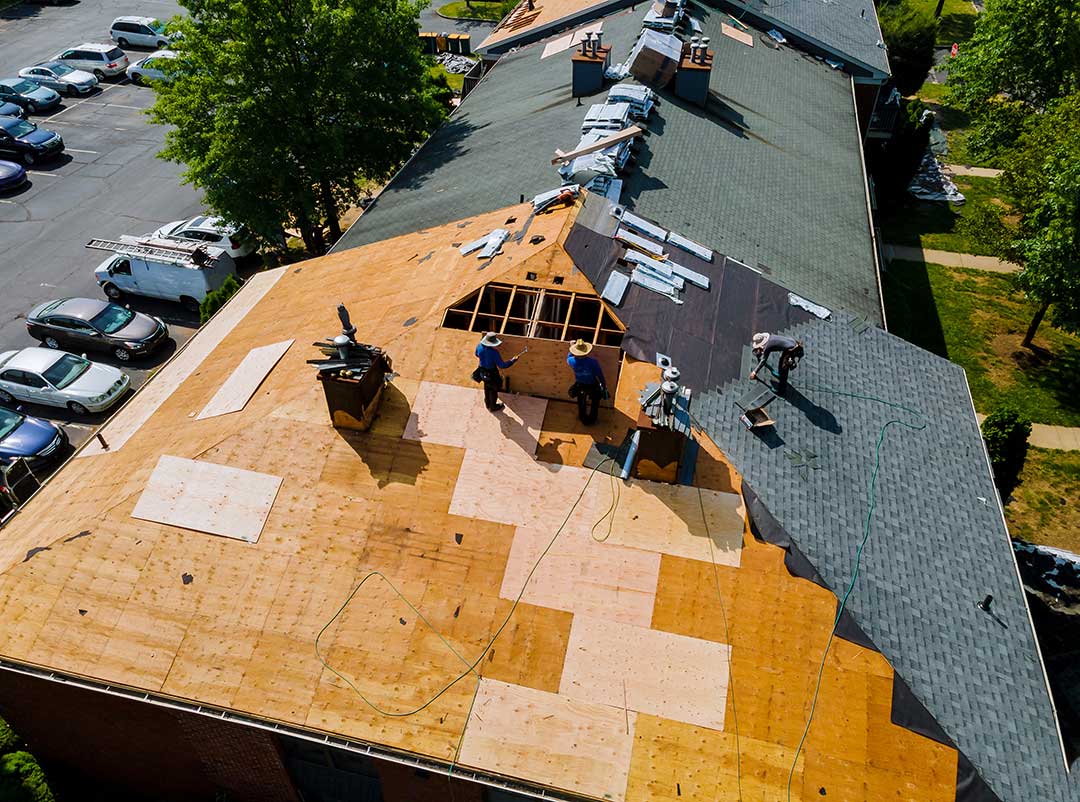
What is roof decking, and how can it be damaged?
The roof deck is the structural layer beneath the underlayment. It supports the roofing materials and transfers loads to the rafters or trusses.
Deck damage may result from:
- Long-term leaks
- Condensation in the attic
- Rot or fungal decay
- Improperly spaced panels
- Excessive moisture around penetrations
- Wind or fallen-tree impact
Soft areas, sagging, dark stains, delamination, or visible gaps may indicate a decking concern. A roof covering can sometimes hide deck deterioration, so the condition may not be clear from the ground.
What does shingle granule loss mean?
Granules are the small mineral particles embedded in asphalt shingles. They protect the asphalt surface from ultraviolet light and add texture that helps shed water.
Some granule loss is normal, especially during installation and early weathering. Larger amounts may appear in gutters or at downspout outlets when shingles are aging or have been damaged.
Granule loss can be associated with:
- Advanced shingle wear
- Hail impact
- Foot traffic
- Mechanical damage
- Manufacturing defects
- Abrasion from branches or debris
A few granules in a gutter do not automatically mean the roof has failed. The pattern, amount, shingle age, and presence of exposed asphalt or bald spots provide more useful context.
What are common roof warning signs?
Homeowners may notice roof problems before a leak appears indoors. Exterior and interior clues include:
- Missing, lifted, cracked, or curling shingles
- Exposed fasteners or deteriorated sealant
- Sagging roof lines
- Damaged flashing around chimneys or walls
- Water stains on ceilings or rafters
- Damp attic insulation
- Daylight visible through the roof deck
- Persistent moss or organic debris in shaded areas
- Granules collecting heavily in gutters
After strong wind, heavy snowfall, or a fallen branch, a visual check from the ground can identify obvious changes. Roof surfaces can be steep, slippery, and structurally unsafe, particularly during wet or freezing weather.
Which roof terms are especially useful during an inspection?
Three terms often help homeowners understand the condition of a roof: remaining service life, active leak, and deferred maintenance.
- Remaining service life is an estimate, not a guaranteed expiration date. Weather exposure, installation quality, ventilation, and maintenance all affect longevity.
- Active leak means water is currently entering or has recently entered the building. The visible stain may be located far from the actual entry point.
- Deferred maintenance refers to small issues that have been allowed to continue, such as blocked drainage, loose flashing, or damaged shingles.
For homes in Skaneateles, seasonal changes make roof drainage, flashing, attic moisture control, and snow-related conditions particularly useful areas to understand. Clear terminology helps residents distinguish routine upkeep from conditions that may threaten the roof deck or interior of the home.
